


- Afhalen na 1 uur in een winkel met voorraad
- Gratis thuislevering in België vanaf € 30
- Ruim aanbod met 7 miljoen producten
- Afhalen na 1 uur in een winkel met voorraad
- Gratis thuislevering in België vanaf € 30
- Ruim aanbod met 7 miljoen producten





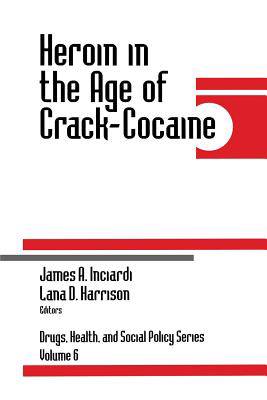
Heroin in the Age of Crack-Cocaine
€ 192,45
+ 384 punten
Omschrijving
In a state-of-the-art presentation, Heroin in the Age of Crack-Cocaine presents articles by experts in the field on current developments and emerging trends in addition to a historical overview of heroin use in this country. Filling a void in the literature on whatÆs known about the "new" heroin users, this volume also updates the readers on the status of aging heroin addicted populations who initiated use of the drug prior to the "age of cocaine." Having moved from the stereotypical "shooting galleries" of back alleys in inner city neighborhoods, heroin addiction continues to rise in mainstream culture and new ways of administration have come into use. A relative abundance of purer Southeast Asian heroin, the rapid rise in popularity of crack-cocaine, treatment controversies, and the realized role that injection drug use plays in the transmission of HIV all suggest increased dimensions of the heroin problem and in their saliency for the 1990s and beyond. Academics, researchers, practitioners, policymakers, and students will find Heroin in the Age of Crack-Cocaine to be a comprehensive and significant contribution to existing research, as well as a stimulant to further discussion and study of this rapidly evolving issue and its impact in the health and criminal justice arenas of our society.
Specificaties
Betrokkenen
- Uitgeverij:
Inhoud
- Aantal bladzijden:
- 312
- Taal:
- Engels
- Reeks:
- Reeksnummer:
- nr. 6
Eigenschappen
- Productcode (EAN):
- 9780761904243
- Verschijningsdatum:
- 8/01/1998
- Uitvoering:
- Paperback
- Formaat:
- Trade paperback (VS)
- Afmetingen:
- 153 mm x 227 mm
- Gewicht:
- 503 g

Alleen bij Standaard Boekhandel
+ 384 punten op je klantenkaart van Standaard Boekhandel
Cadeau

AANGERADEN


Beoordelingen
We publiceren alleen reviews die voldoen aan de voorwaarden voor reviews. Bekijk onze voorwaarden voor reviews.