


- Afhalen na 1 uur in een winkel met voorraad
- Gratis thuislevering in België vanaf € 30
- Ruim aanbod met 7 miljoen producten
- Afhalen na 1 uur in een winkel met voorraad
- Gratis thuislevering in België vanaf € 30
- Ruim aanbod met 7 miljoen producten





€ 27,95
+ 55 punten
Omschrijving
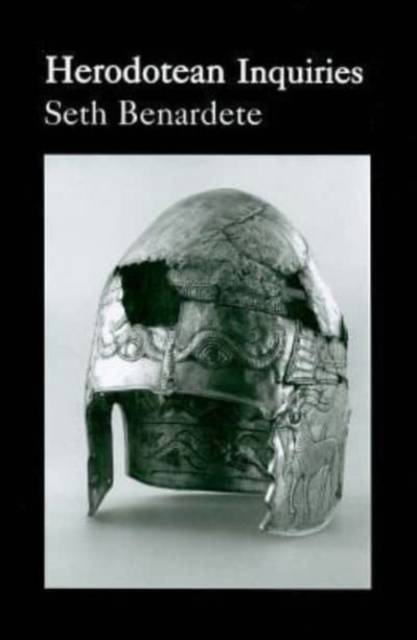
Herodotus' Inquiries should be regarded as our best and most complete document for pre-Socratic philosophy. Without being a work of philosophy, its plan and intention cannot be understood apart from philosophy. Here an attempt is made to uncover Herodotus' plan and intention and to link them with their philosophic roots. This attempt requires that Herodotus' way of telling a story be examined, for Herodotus primarily reveals himself in the stories themselves and not in the moral he sometimes draws from them. Once one sees the importance Herodotus himself places in his own Inquiries, his account of Egypt, which has long been a stumbling block on any interpretation, can be appreciated; and Egypt in turn supplies the basis for understanding Book II on Persia and IV on Scythia and Libya. These three books prove to be the core of the Inquiries, for they establish the necessary conditions for both Greekness and the understanding of Greekness, and hence for the following five books on the Persian Wars.
Specificaties
Betrokkenen
- Auteur(s):
- Uitgeverij:
Inhoud
- Aantal bladzijden:
- 230
- Taal:
- Engels
Eigenschappen
- Productcode (EAN):
- 9781587313622
- Verschijningsdatum:
- 1/08/2009
- Uitvoering:
- Paperback
- Formaat:
- Trade paperback (VS)
- Afmetingen:
- 150 mm x 226 mm
- Gewicht:
- 385 g


Alleen bij Standaard Boekhandel
+ 55 punten op je klantenkaart van Standaard Boekhandel
CADEAU

AANGERADEN


Beoordelingen
We publiceren alleen reviews die voldoen aan de voorwaarden voor reviews. Bekijk onze voorwaarden voor reviews.