


- Afhalen na 1 uur in een winkel met voorraad
- Gratis thuislevering in België vanaf € 30
- Ruim aanbod met 7 miljoen producten
- Afhalen na 1 uur in een winkel met voorraad
- Gratis thuislevering in België vanaf € 30
- Ruim aanbod met 7 miljoen producten





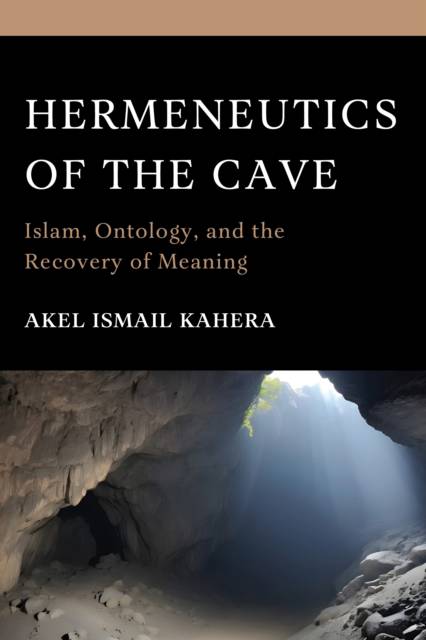
Hermeneutics of the Cave
Islam, Ontology and the Recovery of Meaning
Akel Ismail Kahera
Hardcover | Engels
€ 167,95
+ 335 punten
Omschrijving
Hermeneutics of the Cave: Islam, Ontology and the Recovery of Meaning proposes an intellectual focus on the Qur'anic recovery of meaning. Akel Ismail Kahera contends that the Qur'anic exegesis must be recognized if we are to understand its clear representation of the ontological situation, the primordial self, and the life universe from Islam's exegetical standpoint. When the Qur'anic evidence is examined in the chapters of this volume, three discourses-allegory, eschatology, and exegesis-provide a critical review of the hermeneutic analysis of being, the importance of belief, and divine knowledge. The chapters move beyond the Socratic arguments and Plato's cave allegory to discuss ontology and the recovery of meaning. What is being argued is a polysemic expansion of Plato's allegorical framework of self as derived from the experience of the Socratic discourse-the drama and experience of the divided line, as well as the insoluble conversation on these philosophic frameworks that are still relevant today.
Specificaties
Betrokkenen
- Auteur(s):
- Uitgeverij:
Inhoud
- Aantal bladzijden:
- 254
- Taal:
- Engels
Eigenschappen
- Productcode (EAN):
- 9781666939026
- Verschijningsdatum:
- 15/04/2025
- Uitvoering:
- Hardcover
- Formaat:
- Genaaid
- Afmetingen:
- 152 mm x 229 mm
- Gewicht:
- 508 g


Alleen bij Standaard Boekhandel
+ 335 punten op je klantenkaart van Standaard Boekhandel
Cadeau

AANGERADEN


Beoordelingen
We publiceren alleen reviews die voldoen aan de voorwaarden voor reviews. Bekijk onze voorwaarden voor reviews.