


- Afhalen na 1 uur in een winkel met voorraad
- Gratis thuislevering in België vanaf € 30
- Ruim aanbod met 7 miljoen producten
- Afhalen na 1 uur in een winkel met voorraad
- Gratis thuislevering in België vanaf € 30
- Ruim aanbod met 7 miljoen producten





€ 98,45
+ 196 punten
Omschrijving
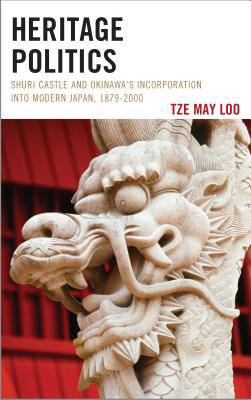
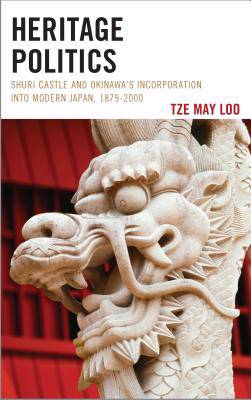
Heritage Politics: Shuri Castle and Okinawa's Incorporation into Modern Japan, 1879-2000 is a study of Okinawa's incorporation into a subordinate position in the Japanese nation-state, and the role that cultural heritage, especially Okinawa's iconic Shuri Castle, plays in creating, maintaining, and negotiating that position. Tze May Loo argues that Okinawa's cultural heritage has been - and continues to be - an important tool with which the Japanese state and its agents, the United States during its 27-year rule of the islands (1945-1972), and the Okinawan people articulated and negotiated Okinawa's relationship with the Japanese nation state. For these three groups, Okinawa's cultural heritage was a powerful way to utilize the symbolism of material objects to manage and represent the islands' cultural past for their own political aims. The Japanese state, its agents, and American authorities have all sought to use Okinawa's cultural heritage to control, discipline, and subordinate Okinawa. For Okinawans, their cultural heritage gave them a powerful way to resist Japanese and American rule, and to negotiate for a more equitable position for themselves. At the same time, however, this book finds that Okinawan strategies to deploy their cultural heritage politically are deeply intertwined with, and to a significant extent enabled by, precisely these Japanese and American attempts to govern Okinawa through its heritage. This examination of the political role of Okinawa's cultural heritage is a window into a wider process of how nation-states and other political formations make themselves thinkable to the people they rule, how the ruled seek out spaces to make claims of their own, and how cultural pasts, once made usable, are implicated in these processes.
Specificaties
Betrokkenen
- Auteur(s):
- Uitgeverij:
Inhoud
- Aantal bladzijden:
- 222
- Taal:
- Engels
- Reeks:
Eigenschappen
- Productcode (EAN):
- 9781498550536
- Verschijningsdatum:
- 20/07/2017
- Uitvoering:
- Paperback
- Formaat:
- Trade paperback (VS)
- Afmetingen:
- 150 mm x 226 mm
- Gewicht:
- 340 g


Alleen bij Standaard Boekhandel
+ 196 punten op je klantenkaart van Standaard Boekhandel
Cadeau

AANGERADEN


Beoordelingen
We publiceren alleen reviews die voldoen aan de voorwaarden voor reviews. Bekijk onze voorwaarden voor reviews.