


- Afhalen na 1 uur in een winkel met voorraad
- Gratis thuislevering in België vanaf € 30
- Ruim aanbod met 7 miljoen producten
- Afhalen na 1 uur in een winkel met voorraad
- Gratis thuislevering in België vanaf € 30
- Ruim aanbod met 7 miljoen producten





Omschrijving
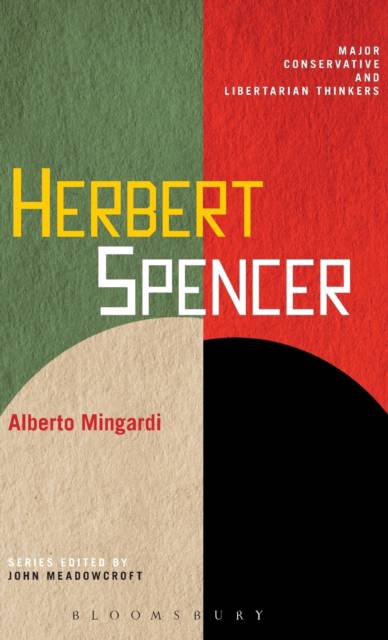
This volume makes a compelling case for the continued relevance and significance of Herbert Spencer (1820-1904), one of the foremost intellectuals of the Victorian era whose work now tends to be regarded as being of purely historical interest.
One of the originators of the evolutionary classical liberal or libertarian approach exemplified later by F. A. Hayek, Spencer engaged with such issues as the relationship between the individual and the state; the nature of majoritarian democracy; the legitimacy of private property; the consequences of the transition from relatively simple, feudal communities to complex, industrial societies; and the causes of war and the prospects of international peace. For him the future was individualist. However, as the scope of state action expanded and classical liberal ideas became increasingly marginalised during the course of his life, Spencer grew ever more pessimistic about the future prospects for liberty.Specificaties
Betrokkenen
- Auteur(s):
- Uitgeverij:
Inhoud
- Aantal bladzijden:
- 192
- Taal:
- Engels
- Reeks:
- Reeksnummer:
- nr. 18
Eigenschappen
- Productcode (EAN):
- 9780826424860
- Verschijningsdatum:
- 17/03/2011
- Uitvoering:
- Hardcover
- Formaat:
- Genaaid
- Afmetingen:
- 142 mm x 216 mm
- Gewicht:
- 340 g


Alleen bij Standaard Boekhandel
+ 780 punten op je klantenkaart van Standaard Boekhandel
Cadeau

AANGERADEN


Beoordelingen
We publiceren alleen reviews die voldoen aan de voorwaarden voor reviews. Bekijk onze voorwaarden voor reviews.