


- Afhalen na 1 uur in een winkel met voorraad
- Gratis thuislevering in België vanaf € 30
- Ruim aanbod met 7 miljoen producten
- Afhalen na 1 uur in een winkel met voorraad
- Gratis thuislevering in België vanaf € 30
- Ruim aanbod met 7 miljoen producten





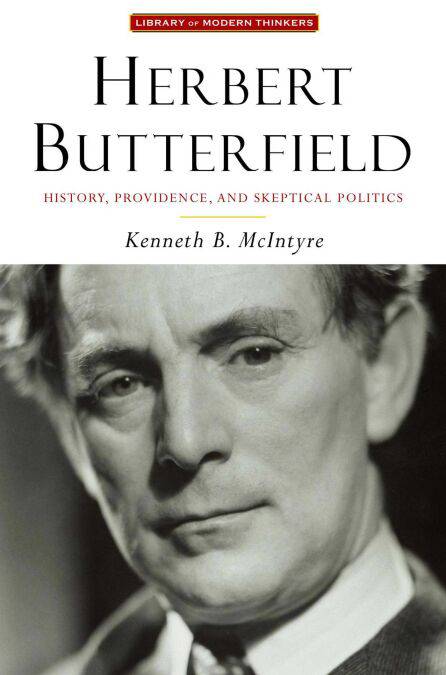
Herbert Butterfield E-BOOK
History, Providence, and Skeptical Politics
Kenneth B. McIntyre
E-book | Engels
€ 14,53
+ 14 punten
Omschrijving
"The most original historian of his generation." That is how the celebrated British academic Noel Annan described Herbert Butterfield (1900–1979), a profound and prolific writer who made important contributions as both a public and academic historian.
In this authoritative and accessible intellectual biography, Kenneth B. McIntyre explores the extraordinary range of Butterfield's work. He shows why the small book The Whig Interpretation of History (1931) achieved such large influence; Butterfield, he demonstrates, has profoundly shaped American and European historiography by highlighting the distortions that occur when historians interpret the past merely as steps along the way toward the glorious present.
But McIntyre delves much deeper, examining everything from Butterfield's lectures on history, historiography, and Christianity, to his warnings about the dangers of hubris in international affairs, to his essays on the origins of modern science, which basically created the modern discipline of the history of science. This latest volume in the acclaimed Library of Modern Thinkers series helps us understand a prescient and insightful thinker who challenged dominant currents in history, historiography, international relations, and politics.
In this authoritative and accessible intellectual biography, Kenneth B. McIntyre explores the extraordinary range of Butterfield's work. He shows why the small book The Whig Interpretation of History (1931) achieved such large influence; Butterfield, he demonstrates, has profoundly shaped American and European historiography by highlighting the distortions that occur when historians interpret the past merely as steps along the way toward the glorious present.
But McIntyre delves much deeper, examining everything from Butterfield's lectures on history, historiography, and Christianity, to his warnings about the dangers of hubris in international affairs, to his essays on the origins of modern science, which basically created the modern discipline of the history of science. This latest volume in the acclaimed Library of Modern Thinkers series helps us understand a prescient and insightful thinker who challenged dominant currents in history, historiography, international relations, and politics.
Specificaties
Betrokkenen
- Auteur(s):
- Uitgeverij:
Inhoud
- Aantal bladzijden:
- 254
- Taal:
- Engels
Eigenschappen
- Productcode (EAN):
- 9781684516766
- Verschijningsdatum:
- 2/10/2023
- Uitvoering:
- E-book
- Beveiligd met:
- Adobe DRM
- Formaat:
- ePub



Alleen bij Standaard Boekhandel
+ 14 punten op je klantenkaart van Standaard Boekhandel
AANGERADEN


Beoordelingen
We publiceren alleen reviews die voldoen aan de voorwaarden voor reviews. Bekijk onze voorwaarden voor reviews.