


- Afhalen na 1 uur in een winkel met voorraad
- Gratis thuislevering in België vanaf € 30
- Ruim aanbod met 7 miljoen producten
- Afhalen na 1 uur in een winkel met voorraad
- Gratis thuislevering in België vanaf € 30
- Ruim aanbod met 7 miljoen producten





€ 118,45
+ 236 punten
Uitvoering
Omschrijving
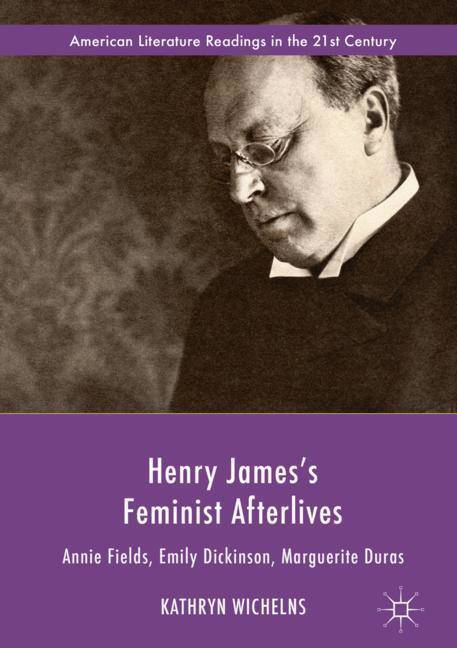
This book explores Henry James's negotiations with nineteenth-century ideas about gender, sexuality, class, and literary style through the responses of three women who have never before been substantively examined in light of their relationships to his work. Writing in different times and places, Annie Fields, Emily Dickinson, and Marguerite Duras nevertheless share complex navigations of womanhood and authorship, as well as a history of feminist scholarly responses to their work. Kathryn Wichelns draws upon James' correspondence with Fields, as well as Dickinson's and Duras's revisions of his fiction, to offer a new understanding of gender-transgressive elements of his project. By contextualizing his writing within a diverse set of feminist perspectives, each grounded in a specific time and place, as well as nineteenth-century views of queer male sexuality, Wichelns demonstrates the centrality of Henry James's ambivalent identifications with women to his work.
Specificaties
Betrokkenen
- Auteur(s):
- Uitgeverij:
Inhoud
- Aantal bladzijden:
- 178
- Taal:
- Engels
- Reeks:
Eigenschappen
- Productcode (EAN):
- 9783319717999
- Verschijningsdatum:
- 8/02/2018
- Uitvoering:
- Hardcover
- Afmetingen:
- 149 mm x 220 mm
- Gewicht:
- 388 g



Alleen bij Standaard Boekhandel
+ 236 punten op je klantenkaart van Standaard Boekhandel
Cadeau

AANGERADEN


Beoordelingen
We publiceren alleen reviews die voldoen aan de voorwaarden voor reviews. Bekijk onze voorwaarden voor reviews.