


- Afhalen na 1 uur in een winkel met voorraad
- Gratis thuislevering in België vanaf € 30
- Ruim aanbod met 7 miljoen producten
- Afhalen na 1 uur in een winkel met voorraad
- Gratis thuislevering in België vanaf € 30
- Ruim aanbod met 7 miljoen producten





€ 30,95
+ 61 punten
Omschrijving
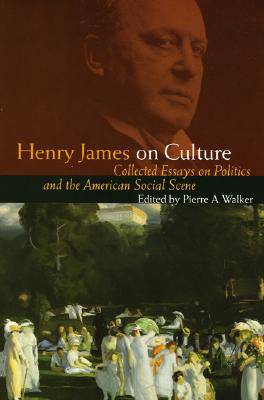
The eighteen essays in this collection show Henry James (1843-1916) in a new and unexpected light--as a political commentator and social reformer. His acute powers of observation, his unerring feel for social nuance, and his abiding interest in the news, conversations, and controversies of the moment make these essays a witty and entertaining illumination of American, British, European, and colonial society in the years from 1878 to 1917. Included are writings on British politics and diplomacy, on the language and manners of Americans, on the possibility of an afterlife, and on the heroism and human costs of the First World War. Among the subjects that interest James are France's infatuation with the Prince of Wales, the trumped-up excuses for war in Afghanistan, the brutal frankness of Bismarck, the parliamentary games of Gladstone and Disraeli, the rise of Zulu power in South Africa, the use of "yeah" and "yup" for the American affirmative, the fearlessness of American women and their immunity from criticism, the effect of chewing gum on the discussion of opera, the sufferings of Americans at the hands of store clerks, the proper degrees of gratitude for roadside bicycle repairs, the work of the American Volunteer Motor Ambulance Corps, the use of the dash, the tyranny of the newspapers, the sinking of the Lusitania, and the conditions in military hospitals.
Specificaties
Betrokkenen
- Auteur(s):
- Uitgeverij:
Inhoud
- Aantal bladzijden:
- 226
- Taal:
- Engels
- Reeks:
Eigenschappen
- Productcode (EAN):
- 9780803276192
- Verschijningsdatum:
- 1/05/2004
- Uitvoering:
- Paperback
- Formaat:
- Trade paperback (VS)
- Afmetingen:
- 155 mm x 231 mm
- Gewicht:
- 362 g


Alleen bij Standaard Boekhandel
+ 61 punten op je klantenkaart van Standaard Boekhandel
Cadeau

AANGERADEN


Beoordelingen
We publiceren alleen reviews die voldoen aan de voorwaarden voor reviews. Bekijk onze voorwaarden voor reviews.