


- Afhalen na 1 uur in een winkel met voorraad
- Gratis thuislevering in België vanaf € 30
- Ruim aanbod met 7 miljoen producten
- Afhalen na 1 uur in een winkel met voorraad
- Gratis thuislevering in België vanaf € 30
- Ruim aanbod met 7 miljoen producten





€ 24,70
+ 49 punten
Omschrijving
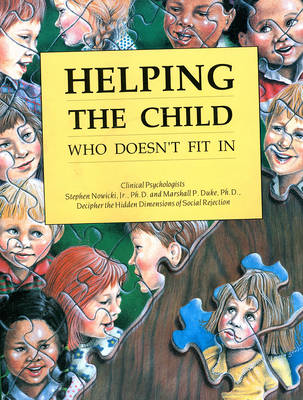
Clinical psychologists offer tips for parents whose children are struggling to fit in with their peers.
Remember the kids who just didn't fit in when you were a child? Maybe they stood too close or talked too loud. We called them hurtful names and they never understood why. Clinical psychologists Stephen Nowicki, Jr. and Marshall Duke call these children dyssemic, and they have some ideas about how to help them.
Dyssemic children do not comprehend nonverbal messages in much the same way that dyslexics do not correctly process the written word. Nonverbal language plays a vital role in our communication with others, and children who understand or misuse it may face painful social rejection, which becomes a part of their lives for the rest of their lives.
In Helping the Child Who Doesn't Fit In, Nowicki and Duke reveal the range of dyssmia that may affect a child, and show parents and teachers how to simply assess the extent of a child's problems. Simple exercises at the end of each chapter offer guidance for educating yourself and your child nonverbally.
Remember the kids who just didn't fit in when you were a child? Maybe they stood too close or talked too loud. We called them hurtful names and they never understood why. Clinical psychologists Stephen Nowicki, Jr. and Marshall Duke call these children dyssemic, and they have some ideas about how to help them.
Dyssemic children do not comprehend nonverbal messages in much the same way that dyslexics do not correctly process the written word. Nonverbal language plays a vital role in our communication with others, and children who understand or misuse it may face painful social rejection, which becomes a part of their lives for the rest of their lives.
In Helping the Child Who Doesn't Fit In, Nowicki and Duke reveal the range of dyssmia that may affect a child, and show parents and teachers how to simply assess the extent of a child's problems. Simple exercises at the end of each chapter offer guidance for educating yourself and your child nonverbally.
Specificaties
Betrokkenen
- Auteur(s):
- Uitgeverij:
Inhoud
- Aantal bladzijden:
- 192
- Taal:
- Engels
Eigenschappen
- Productcode (EAN):
- 9781561450251
- Verschijningsdatum:
- 7/01/1992
- Uitvoering:
- Paperback
- Formaat:
- Trade paperback (VS)
- Afmetingen:
- 176 mm x 227 mm
- Gewicht:
- 322 g


Alleen bij Standaard Boekhandel
+ 49 punten op je klantenkaart van Standaard Boekhandel
Cadeau

AANGERADEN


Beoordelingen
We publiceren alleen reviews die voldoen aan de voorwaarden voor reviews. Bekijk onze voorwaarden voor reviews.