


- Afhalen na 1 uur in een winkel met voorraad
- Gratis thuislevering in België vanaf € 30
- Ruim aanbod met 7 miljoen producten
- Afhalen na 1 uur in een winkel met voorraad
- Gratis thuislevering in België vanaf € 30
- Ruim aanbod met 7 miljoen producten





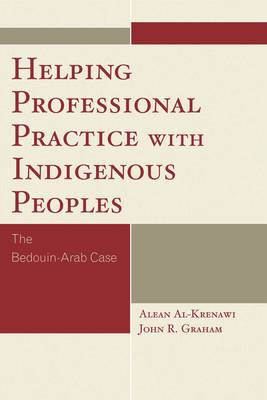
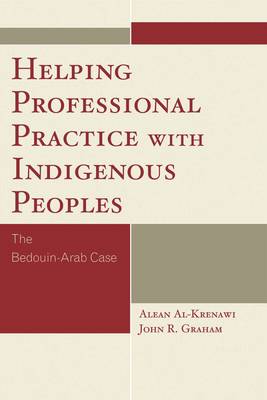
Helping Professional Practice with Indigenous Peoples
The Bedouin-Arab Case
Alean Al-Krenawi, John R Graham
Paperback | Engels
€ 99,95
+ 199 punten
Omschrijving
This book discusses issues helping professionals must confront when working with indigenous peoples, particularly the Bedouin Arab. Northern-based helping professional theory and methods have historically been aloof to the concerns within such societies as the Bedouin-Arab, particularly regarding their culture and religion, family structure and group orientation, and cultural and religious strategies for dealing with psychosocial problems. The literature has made some strides in making its myriad epistemologies less culturally oppressive but much remains to be done. According to the authors, it is essential for social welfare practitioners, structures, and Bedouin-Arab communities to integrate paradigms, which the helping professional carries out in practice methods and which could lead to the ongoing emergence of a newer social work epistemology, better anchored to the needs and realities of the Bedouin-Arab world.
Specificaties
Betrokkenen
- Auteur(s):
- Uitgeverij:
Inhoud
- Aantal bladzijden:
- 220
- Taal:
- Engels
Eigenschappen
- Productcode (EAN):
- 9780761844075
- Verschijningsdatum:
- 21/10/2008
- Uitvoering:
- Paperback
- Formaat:
- Trade paperback (VS)
- Afmetingen:
- 150 mm x 226 mm
- Gewicht:
- 362 g


Alleen bij Standaard Boekhandel
+ 199 punten op je klantenkaart van Standaard Boekhandel
Cadeau

AANGERADEN


Beoordelingen
We publiceren alleen reviews die voldoen aan de voorwaarden voor reviews. Bekijk onze voorwaarden voor reviews.