


- Afhalen na 1 uur in een winkel met voorraad
- Gratis thuislevering in België vanaf € 30
- Ruim aanbod met 7 miljoen producten
- Afhalen na 1 uur in een winkel met voorraad
- Gratis thuislevering in België vanaf € 30
- Ruim aanbod met 7 miljoen producten





€ 140,95
+ 281 punten
Omschrijving
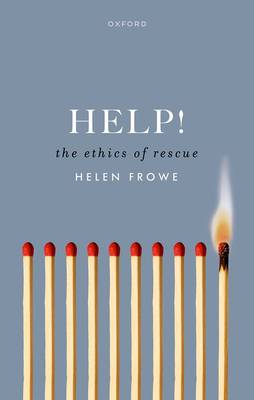
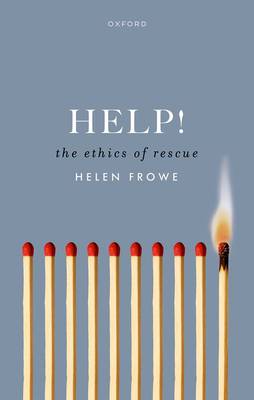
Most people agree that we can have duties to prevent harm to others. But there is significant disagreement about what these duties demand of us and what they permit others to do to us. In Help! The Ethics of Rescue, Helen Frowe develops an account of the theoretical underpinnings of the duty to rescue. She rejects the influential view that the limits of the duty to rescue are explained by agent-relative prerogatives to care more about our own interests than the interests of others. In its place, she defends an agent-neutral account of the duty to rescue, grounded in the limits of the duty to use ourselves as a means for the benefit of others. Her account provides a unified, non-consequentialist account of the duty to rescue that tightly connects our right to refrain from saving to the wrongness of others forcing us to save. Frowe explores the implications of this agent-neutral account for a number of key debates in the ethics of rescue, such as the duty to act on lesser-evil justifications for harming, the moral significance of property rights over harm-preventing resources, and the permissibility of forming agreements to save. She also considers its implications for applied aspects of the duty to rescue, including the ethics of abortion, the ethics of war, and duties to refugees.
Specificaties
Betrokkenen
- Auteur(s):
- Uitgeverij:
Inhoud
- Aantal bladzijden:
- 320
- Taal:
- Engels
Eigenschappen
- Productcode (EAN):
- 9780198929406
- Verschijningsdatum:
- 31/10/2026
- Uitvoering:
- Hardcover
- Formaat:
- Genaaid
- Afmetingen:
- 138 mm x 216 mm


Alleen bij Standaard Boekhandel
+ 281 punten op je klantenkaart van Standaard Boekhandel
Cadeau

AANGERADEN


Beoordelingen
We publiceren alleen reviews die voldoen aan de voorwaarden voor reviews. Bekijk onze voorwaarden voor reviews.