



Je cadeautjes zeker op tijd in huis hebben voor de feestdagen? Kom langs in onze winkels en vind het perfecte geschenk!
- Afhalen na 1 uur in een winkel met voorraad
- Gratis thuislevering in België vanaf € 30
- Ruim aanbod met 7 miljoen producten
Je cadeautjes zeker op tijd in huis hebben voor de feestdagen? Kom langs in onze winkels en vind het perfecte geschenk!
- Afhalen na 1 uur in een winkel met voorraad
- Gratis thuislevering in België vanaf € 30
- Ruim aanbod met 7 miljoen producten





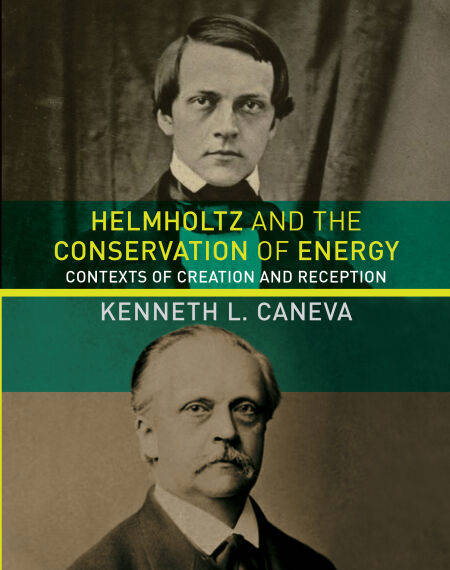
Helmholtz and the Conservation of Energy E-BOOK
Contexts of Creation and Reception
Kenneth L. Caneva
€ 123,21
+ 123 punten
Uitvoering
Omschrijving
An examination of the sources Helmholtz drew upon for his formulation of the conservation of energy and the impact of his work on nineteenth-century physics.
In 1847, Herman Helmholtz, arguably the most important German physicist of the nineteenth century, published his formulation of what became known as the conservation of energy--unarguably the most important single development in physics of that century, transforming what had been a conglomeration of separate topics into a coherent field unified by the concept of energy. In Helmholtz and the Conservation of Energy, Kenneth Caneva offers a detailed account of Helmholtz's work on the subject, the sources that he drew upon, the varying responses to his work from scientists of the era, and the impact on physics as a discipline.
Caneva describes the set of abiding concerns that prompted Helmholtz's work, including his rejection of the idea of a work-performing vital force, and investigates Helmholtz's relationship to both an older generation of physicists and an emerging community of reformist physiologists. He analyzes Helmholtz's indebtedness to Johannes Müller and Justus Liebig and discusses Helmholtz's tense and ambivalent relationship to the work of Robert Mayer, who had earlier proposed the uncreatability, indestructibility, and transformability of "force." Caneva examines Helmholtz's continued engagement with the subject, his role in the acceptance of the conservation of energy as the central principle of physics, and the eventual incorporation of the principle in textbooks as established science.
In 1847, Herman Helmholtz, arguably the most important German physicist of the nineteenth century, published his formulation of what became known as the conservation of energy--unarguably the most important single development in physics of that century, transforming what had been a conglomeration of separate topics into a coherent field unified by the concept of energy. In Helmholtz and the Conservation of Energy, Kenneth Caneva offers a detailed account of Helmholtz's work on the subject, the sources that he drew upon, the varying responses to his work from scientists of the era, and the impact on physics as a discipline.
Caneva describes the set of abiding concerns that prompted Helmholtz's work, including his rejection of the idea of a work-performing vital force, and investigates Helmholtz's relationship to both an older generation of physicists and an emerging community of reformist physiologists. He analyzes Helmholtz's indebtedness to Johannes Müller and Justus Liebig and discusses Helmholtz's tense and ambivalent relationship to the work of Robert Mayer, who had earlier proposed the uncreatability, indestructibility, and transformability of "force." Caneva examines Helmholtz's continued engagement with the subject, his role in the acceptance of the conservation of energy as the central principle of physics, and the eventual incorporation of the principle in textbooks as established science.
Specificaties
Betrokkenen
- Auteur(s):
- Uitgeverij:
Inhoud
- Aantal bladzijden:
- 760
- Taal:
- Engels
- Reeks:
Eigenschappen
- Productcode (EAN):
- 9780262363846
- Verschijningsdatum:
- 2/08/2021
- Uitvoering:
- E-book
- Beveiligd met:
- Adobe DRM
- Formaat:
- ePub


Alleen bij Standaard Boekhandel
+ 123 punten op je klantenkaart van Standaard Boekhandel
CADEAU


Beoordelingen
We publiceren alleen reviews die voldoen aan de voorwaarden voor reviews. Bekijk onze voorwaarden voor reviews.