


- Afhalen na 1 uur in een winkel met voorraad
- Gratis thuislevering in België vanaf € 30
- Ruim aanbod met 7 miljoen producten
- Afhalen na 1 uur in een winkel met voorraad
- Gratis thuislevering in België vanaf € 30
- Ruim aanbod met 7 miljoen producten





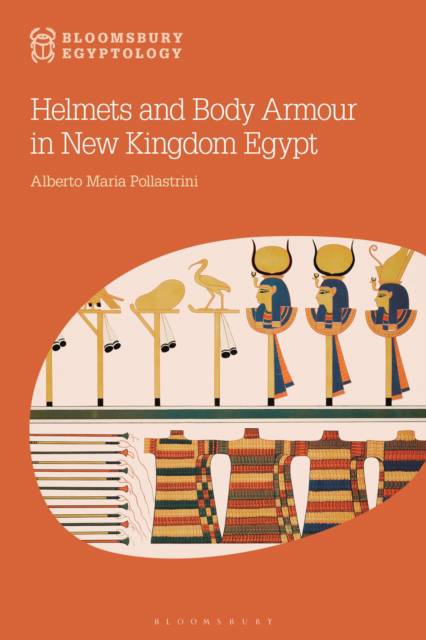
Helmets and Body Armour in New Kingdom Egypt
Alberto Maria Pollastrini
€ 67,95
+ 135 punten
Omschrijving
This book examines the dynamics around the introduction and spread of helmets and body armour throughout Egypt during the 18th, 19th and 20th Dynasties. It argues that the word 'introduction' is the best term to define this phenomenon because these types of military equipment were not in fact Egyptian technological innovations, but initially appeared at the end of the Bronze Age following the Hurrian expansion in the Middle East before being dispersed throughout the surrounding territories.
The analysis focuses particularly on a survey of iconographic, archaeological and lexicographic attestations from a wide range of surviving material evidence and literary sources. On the basis of the collated data, it provides as accurate a perspective as possible on how the helmet and the cuirass were introduced and propagated, their impact on warfare and their possible role in ideology across the chronological span of the New Kingdom. Pollastrini also draws productive comparisons between the Egyptian data and contemporary attestations from the Middle East and the Aegean region in order to underpin the 'international' dynamics at play. In doing so it both encourages a broader ancient-historical perspective that sets New Kingdom Egypt within its contemporary context, and sheds new light on developments in the military history and warfare of the period.Specificaties
Betrokkenen
- Auteur(s):
- Uitgeverij:
Inhoud
- Aantal bladzijden:
- 216
- Taal:
- Engels
- Reeks:
Eigenschappen
- Productcode (EAN):
- 9781350323490
- Verschijningsdatum:
- 22/01/2026
- Uitvoering:
- Paperback
- Formaat:
- Trade paperback (VS)
- Afmetingen:
- 156 mm x 234 mm
- Gewicht:
- 308 g


Alleen bij Standaard Boekhandel
+ 135 punten op je klantenkaart van Standaard Boekhandel
Cadeau

AANGERADEN


Beoordelingen
We publiceren alleen reviews die voldoen aan de voorwaarden voor reviews. Bekijk onze voorwaarden voor reviews.