


- Afhalen na 1 uur in een winkel met voorraad
- Gratis thuislevering in België vanaf € 30
- Ruim aanbod met 7 miljoen producten
- Afhalen na 1 uur in een winkel met voorraad
- Gratis thuislevering in België vanaf € 30
- Ruim aanbod met 7 miljoen producten





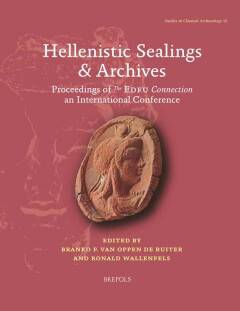
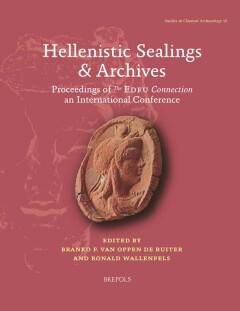
Hellenistic Sealings & Archives
Proceedings of the Edfu Connection, an International Conference
Branko Fredde van Oppen de Ruiter
€ 116,60
+ 233 punten
Omschrijving
Ancient seal impressions that were once employed to seal a variety of objects, in particular different kinds of documents, can offer a wealth of information not only about iconography, but also about the dissemination of ideas and beliefs. Their usage provides evidence about the continuation, transformation, and mutual influences that impacted upon local traditions, as well as shed light on administrative and bureaucratic practices. Drawing together in-depth contributions by specialists in the field, this timely volume - the first of its kind in twenty-five years - offers new insights into seals and their importance during the relatively understudied Hellenistic period (c. 325-25 BCE), as well as contextualizing this subject through a focus on related fields such as glyptics and numismatics. The twelve chapters included here explore the importance of hoards, among them those from Delos, Doliche, Edfu, Kedesh, Pistiros, Seleucia-on-the-Tigris, Selinunte, and Uruk, and examine themes that range from the persistence of pharaonic imagery on Ptolemaic sealings and Greek influence on Sicilian seals, to the survival of Mesopotamian traditions on Parthian clay tablets and the use of Hellenistic iconography on Bactrian finger rings. Through this multifaceted approach, this volume is able to elucidate the daily realities of social, public, and private archival practices that went beyond the political and elite levels of life, and to illuminate aspects of Hellenistic history that have long remained obscure or inaccessible.
Specificaties
Betrokkenen
- Auteur(s):
- Uitgeverij:
Inhoud
- Aantal bladzijden:
- 260
- Taal:
- Engels
- Reeks:
- Reeksnummer:
- nr. 10
Eigenschappen
- Productcode (EAN):
- 9782503591278
- Verschijningsdatum:
- 14/10/2021
- Uitvoering:
- Hardcover
- Formaat:
- Genaaid
- Afmetingen:
- 214 mm x 280 mm
- Gewicht:
- 1179 g


Alleen bij Standaard Boekhandel
+ 233 punten op je klantenkaart van Standaard Boekhandel
Cadeau

AANGERADEN


Beoordelingen
We publiceren alleen reviews die voldoen aan de voorwaarden voor reviews. Bekijk onze voorwaarden voor reviews.