



Je cadeautjes zeker op tijd in huis hebben voor de feestdagen? Kom langs in onze winkels en vind het perfecte geschenk!
- Afhalen na 1 uur in een winkel met voorraad
- Gratis thuislevering in België vanaf € 30
- Ruim aanbod met 7 miljoen producten
Je cadeautjes zeker op tijd in huis hebben voor de feestdagen? Kom langs in onze winkels en vind het perfecte geschenk!
- Afhalen na 1 uur in een winkel met voorraad
- Gratis thuislevering in België vanaf € 30
- Ruim aanbod met 7 miljoen producten





Omschrijving
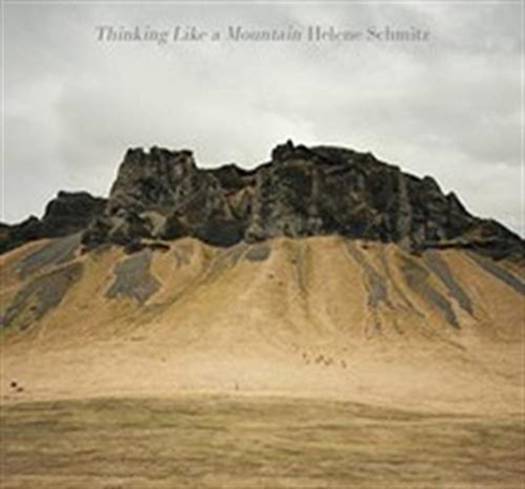
Helene Schmitz’s photographs aim to shed light on the relationship between ownership and exploitation of natural resources in the Nordic countries, a part of the world not usually associated with the term ‘colonialism’. Schmitz contends that the colonial project never came to an end – it only changed appearance. Globalization and contemporary technologies have instead allowed for a shift in the source of neo- colonialist projects, from nation-states to multinational corporations.
She has photographed landscapes that represent a fervent neo-colonialism where the notion of a wild landscape, untouched by humans, has ceased to exist. By addressing this through her photography, she has sought to question and renew the image of landscapes – thus allowing them to be viewed as testimonies of the human being’s relationship with nature concurrent with the global, highly industrialized transformation of landscapes. Artificial landscapes with geothermal powerplants, manmade mountains and brand new lakes – all depicted through a large format camera, a slow and ceremonious work process which renders photographs with high detail and sharpness.
She has photographed landscapes that represent a fervent neo-colonialism where the notion of a wild landscape, untouched by humans, has ceased to exist. By addressing this through her photography, she has sought to question and renew the image of landscapes – thus allowing them to be viewed as testimonies of the human being’s relationship with nature concurrent with the global, highly industrialized transformation of landscapes. Artificial landscapes with geothermal powerplants, manmade mountains and brand new lakes – all depicted through a large format camera, a slow and ceremonious work process which renders photographs with high detail and sharpness.
Specificaties
Betrokkenen
- Auteur(s):
- Uitgeverij:
Inhoud
- Aantal bladzijden:
- 128
- Taal:
- Engels
Eigenschappen
- Productcode (EAN):
- 9789171264688
- Verschijningsdatum:
- 30/03/2019
- Uitvoering:
- Hardcover
- Afmetingen:
- 270 mm x 290 mm
- Gewicht:
- 1200 g


Alleen bij Standaard Boekhandel
+ 97 punten op je klantenkaart van Standaard Boekhandel
CADEAU


Beoordelingen
We publiceren alleen reviews die voldoen aan de voorwaarden voor reviews. Bekijk onze voorwaarden voor reviews.