



- Afhalen na 1 uur in een winkel met voorraad
- In januari gratis thuislevering in België
- Ruim aanbod met 7 miljoen producten
- Afhalen na 1 uur in een winkel met voorraad
- In januari gratis thuislevering in België
- Ruim aanbod met 7 miljoen producten





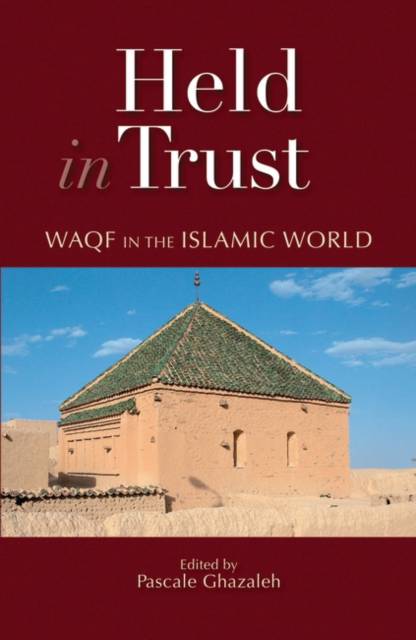
Omschrijving
Waqfs (pious endowments) long held a crucial place in the political, economic, and social life of the Islamic world. Waqfs were major sources of education, health care, and employment; they shaped the city and contributed to the upkeep of religious edifices. They constituted a major resource, and their status was at stake in repeated struggles to impose competing definitions of legitimacy and community. Closer examination of the diverse legal, institutional, and practical aspects of waqfs in different regions and communities is necessary to a deeper understanding of their dynamism and resilience. This volume, which evolved from papers delivered at the 2005 American University in Cairo Annual History Seminar, offers a meticulous set of studies that fills a gap in our knowledge of waqf and its uses.
Specificaties
Betrokkenen
- Uitgeverij:
Inhoud
- Aantal bladzijden:
- 272
- Taal:
- Engels
Eigenschappen
- Productcode (EAN):
- 9789774163937
- Verschijningsdatum:
- 15/12/2011
- Uitvoering:
- Hardcover
- Formaat:
- Genaaid
- Afmetingen:
- 152 mm x 236 mm
- Gewicht:
- 635 g

Alleen bij Standaard Boekhandel
+ 54 punten op je klantenkaart van Standaard Boekhandel
Cadeau

AANGERADEN


Beoordelingen
We publiceren alleen reviews die voldoen aan de voorwaarden voor reviews. Bekijk onze voorwaarden voor reviews.