


- Afhalen na 1 uur in een winkel met voorraad
- Gratis thuislevering in België vanaf € 30
- Ruim aanbod met 7 miljoen producten
- Afhalen na 1 uur in een winkel met voorraad
- Gratis thuislevering in België vanaf € 30
- Ruim aanbod met 7 miljoen producten





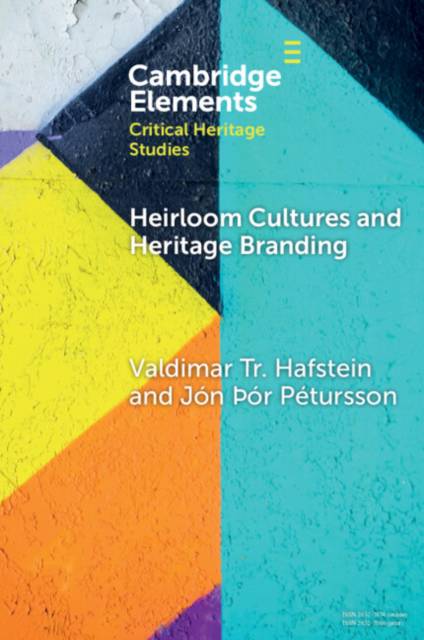
Heirloom Cultures and Heritage Branding
The Creamy Case of Icelandic Skyr
Valdimar Tr Hafstein, Jon Por Petursson
€ 33,45
+ 66 punten
Uitvoering
Eenvoudig bestellen
Veilig betalen


Gratis thuislevering vanaf € 30 (via bpost)
Gratis levering in je Standaard Boekhandel
Omschrijving
Heritage branding and heirloom cultures are twin strategies for building brands in global markets. In this Element, the authors analyze these strategies through skyr; a traditional, sour dairy from Iceland. They explore how live microbial cultures in skyr have been 'heritagized' as heirloom cultures to build a brand advantage. Live skyr cultures, they show, illustrate symbiotic relations over millennia between microbial cultures and human cultures. The industrialization of this species interaction in the twentieth and twenty-first centuries, they argue, ultimately converted a mutualistic relation into a parasitic one. Moreover, they demonstrate a parallel inversion of gender relations in the production and consumption of skyr as part of its industrialization and export. Ironically, these transformations undermine the industry's promotion of the cultures and heritage to which it has effectively put an end. They ask whether there is a more general lesson in this about the relationship between industrialization, capitalism, and heritage.
Specificaties
Betrokkenen
- Auteur(s):
- Uitgeverij:
Inhoud
- Aantal bladzijden:
- 100
- Taal:
- Engels
- Reeks:
Eigenschappen
- Productcode (EAN):
- 9781009530293
- Verschijningsdatum:
- 19/03/2026
- Uitvoering:
- Paperback
- Formaat:
- Trade paperback (VS)
- Afmetingen:
- 152 mm x 229 mm
- Gewicht:
- 145 g



Alleen bij Standaard Boekhandel
+ 66 punten op je klantenkaart van Standaard Boekhandel
CADEAU

AANGERADEN


Beoordelingen
We publiceren alleen reviews die voldoen aan de voorwaarden voor reviews. Bekijk onze voorwaarden voor reviews.