


- Afhalen na 1 uur in een winkel met voorraad
- Gratis thuislevering in België vanaf € 30
- Ruim aanbod met 7 miljoen producten
- Afhalen na 1 uur in een winkel met voorraad
- Gratis thuislevering in België vanaf € 30
- Ruim aanbod met 7 miljoen producten





€ 89,95
+ 179 punten
Uitvoering
Omschrijving
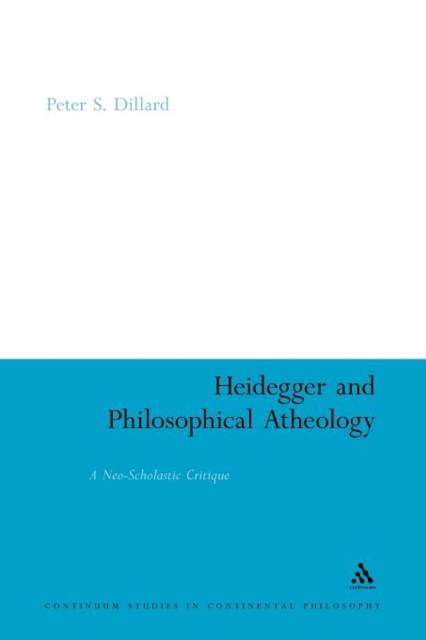
Heidegger and Philosophical Atheology offers an important new reading of Heidegger's middle and later thought. Beginning with Heidegger's early dissertation on the doctrine of categories in Duns Scotus, Peter S. Dillard shows how Heidegger's middle and later works develop a philosophical anti-theology or 'atheology' that poses a serious threat to traditional metaphysics, natural theology and philosophy of religion. Drawing on the insights of Scholastic thinkers such as St Thomas Aquinas and Duns Scotus, the book reveals the problematic assumptions of Heideggerian 'atheology' and shows why they should be rejected. Dillard's critique paves the way for a rejuvenation of Scholastic metaphysics and reveals its relevance to some contemporary philosophical disputes. In addition to clarifying the question of being and explaining the role of phenomenology in metaphysics, Dillard sheds light on the nature of nothingness, necessity and contingency. Ultimately the book offers a revolutionary reorientation of our understanding, both of the later Heidegger and of the legacy of Scholasticism.
Specificaties
Betrokkenen
- Auteur(s):
- Uitgeverij:
Inhoud
- Aantal bladzijden:
- 168
- Taal:
- Engels
- Reeks:
- Reeksnummer:
- nr. 66
Eigenschappen
- Productcode (EAN):
- 9781441143990
- Verschijningsdatum:
- 29/12/2011
- Uitvoering:
- Paperback
- Formaat:
- Trade paperback (VS)
- Afmetingen:
- 156 mm x 234 mm
- Gewicht:
- 244 g


Alleen bij Standaard Boekhandel
+ 179 punten op je klantenkaart van Standaard Boekhandel
Cadeau

AANGERADEN


Beoordelingen
We publiceren alleen reviews die voldoen aan de voorwaarden voor reviews. Bekijk onze voorwaarden voor reviews.