


- Afhalen na 1 uur in een winkel met voorraad
- Gratis thuislevering in België vanaf € 30
- Ruim aanbod met 7 miljoen producten
- Afhalen na 1 uur in een winkel met voorraad
- Gratis thuislevering in België vanaf € 30
- Ruim aanbod met 7 miljoen producten





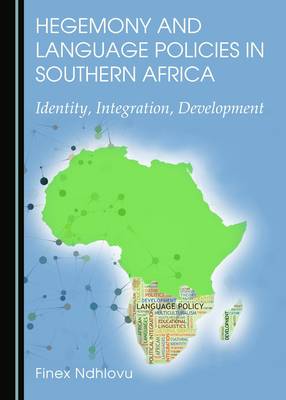
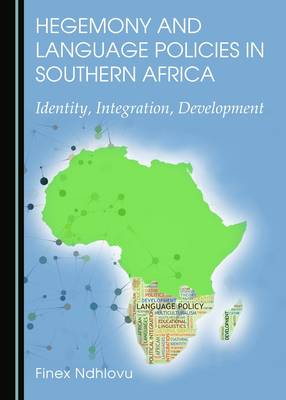
Hegemony and Language Policies in Southern Africa
Identity, Integration, Development
Finex Ndhlovu
Hardcover | Engels
€ 142,45
+ 284 punten
Omschrijving
Hegemony and Language Policies in Southern Africa argues that language policy--whether formal or informal, micro or macro--has always been the centrepiece of identity imaginings, struggles for political emancipation, and quests for cultural affirmation and economic advancement in the colonial and postcolonial histories of African nations. This book addresses questions on the social and political history of language policies, focusing on their significance for ethnic, immigrant and social groups, as well as for various political projects in southern Africa, as they have unfolded from the late nineteenth century to the present. What do the social and political histories of language policies suggest about current identity narratives in southern Africa? Under what circumstances are language policies deployed in the framing of social and political identities? Whose interests do language policies serve, and whose interests do they undermine in southern Africa? Is it not possible to theorise language policy using lenses other than those from the Global North? Why do scholars, governments, and social policy makers from the Global South always choose to adopt language policy frameworks originating from the Global North? In responding to these crucial questions, this book challenges the hegemony of modernist ideologies of language and introduces notions of ignored lingualism and multilingual habitus in order to look differently at linkages between language policies and political, economic, cultural and developmental issues. Such a focus resonates with contemporary views about language as a multimodal and multilingual practice among speakers. Both academic and non-academic communities will find the book of great interest, given its scholarly but accessible style.
Specificaties
Betrokkenen
- Auteur(s):
- Uitgeverij:
Inhoud
- Aantal bladzijden:
- 230
- Taal:
- Engels
Eigenschappen
- Productcode (EAN):
- 9781443877077
- Verschijningsdatum:
- 23/09/2015
- Uitvoering:
- Hardcover
- Formaat:
- Genaaid
- Afmetingen:
- 152 mm x 203 mm
- Gewicht:
- 399 g


Alleen bij Standaard Boekhandel
+ 284 punten op je klantenkaart van Standaard Boekhandel
Cadeau

AANGERADEN


Beoordelingen
We publiceren alleen reviews die voldoen aan de voorwaarden voor reviews. Bekijk onze voorwaarden voor reviews.