


- Afhalen na 1 uur in een winkel met voorraad
- Gratis thuislevering in België vanaf € 30
- Ruim aanbod met 7 miljoen producten
- Afhalen na 1 uur in een winkel met voorraad
- Gratis thuislevering in België vanaf € 30
- Ruim aanbod met 7 miljoen producten





€ 191,95
+ 383 punten
Uitvoering
Omschrijving
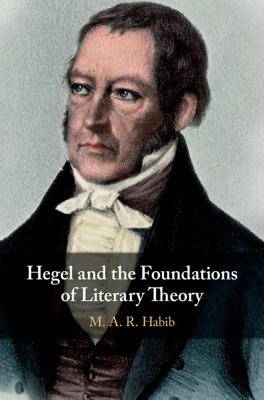
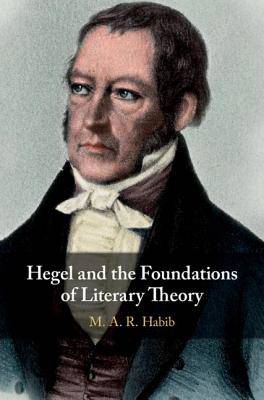
Do the various forms of literary theory - deconstruction, Marxism, new historicism, feminism, post-colonialism, and cultural/digital studies - have anything in common? If so, what are the fundamental principles of theory? What is its ideological orientation? Can it still be of use to us in understanding basic intellectual and ethical dilemmas of our time? These questions continue to perplex both students and teachers of literary theory. Habib finds the answers in theory's largely unacknowledged roots in the thought of German philosopher Hegel. Hegel's insights continue to frame the very terms of theory to this day. Habib explains Hegel's complex ideas and how they have percolated through the intellectual history of the last century. This book will interest teachers and students of literature, literary theory and the history of ideas, illuminating how our modern world came into being, and how we can better understand the salient issues of our own time.
Specificaties
Betrokkenen
- Auteur(s):
- Uitgeverij:
Inhoud
- Aantal bladzijden:
- 346
- Taal:
- Engels
Eigenschappen
- Productcode (EAN):
- 9781108471381
- Verschijningsdatum:
- 22/11/2018
- Uitvoering:
- Hardcover
- Formaat:
- Genaaid
- Afmetingen:
- 188 mm x 234 mm
- Gewicht:
- 635 g


Alleen bij Standaard Boekhandel
+ 383 punten op je klantenkaart van Standaard Boekhandel
Cadeau

AANGERADEN


Beoordelingen
We publiceren alleen reviews die voldoen aan de voorwaarden voor reviews. Bekijk onze voorwaarden voor reviews.