


- Afhalen na 1 uur in een winkel met voorraad
- Gratis thuislevering in België vanaf € 30
- Ruim aanbod met 7 miljoen producten
- Afhalen na 1 uur in een winkel met voorraad
- Gratis thuislevering in België vanaf € 30
- Ruim aanbod met 7 miljoen producten





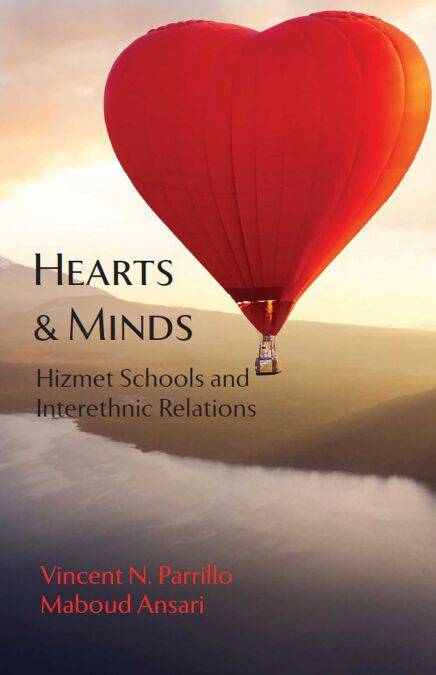
Hearts and Minds E-BOOK
Hizmet Schools and Interethnic Relations
Maboud Ansari, Vincent N. Parrillo
E-book | Engels
€ 13,41
+ 13 punten
Uitvoering
Eenvoudig bestellen
Veilig betalen


Onmiddellijk geleverd via e-mail
Omschrijving
This book is a comparative, qualitative research study of an educational phenomenon still functioning worldwide: Hizmet. Dr. Parrillo and Dr. Ansari present a cross-cultural study of Hizmet schools in seven countries of varying histories and ethnic compositions. Some are fairly homogeneous, while others are longstanding multicultural, multiracial societies. Some have Muslim-majority populations, others a small Muslim minority. Through hundreds of interviews with students, parents, staff, and financial supporters, the authors explored individual perceptions and experiences, as well as the triad of student/parent/school interaction. Analyzing the commonality of the schools' structures and processes in different settings, they offer their insights about the schools' success in achieving their twin goals of offering a quality education and promoting interethnic harmony.
Specificaties
Betrokkenen
- Auteur(s):
- Uitgeverij:
Inhoud
- Aantal bladzijden:
- 176
- Taal:
- Engels
Eigenschappen
- Productcode (EAN):
- 9781682065372
- Verschijningsdatum:
- 8/02/2024
- Uitvoering:
- E-book
- Beveiligd met:
- Adobe DRM
- Formaat:
- ePub



Alleen bij Standaard Boekhandel
+ 13 punten op je klantenkaart van Standaard Boekhandel
CADEAU

AANGERADEN


Beoordelingen
We publiceren alleen reviews die voldoen aan de voorwaarden voor reviews. Bekijk onze voorwaarden voor reviews.