



- Afhalen na 1 uur in een winkel met voorraad
- In januari gratis thuislevering in België
- Ruim aanbod met 7 miljoen producten
- Afhalen na 1 uur in een winkel met voorraad
- In januari gratis thuislevering in België
- Ruim aanbod met 7 miljoen producten





Omschrijving
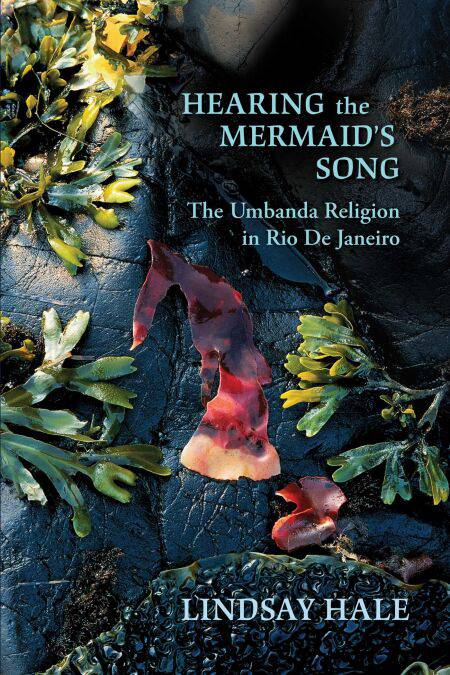
The Umbanda religion summons the spirits of old slaves and Brazilian Indians to speak through the mouths of mediums in trance. Its practitioners worship African gods, often calling them by the names of Catholic saints; simultaneously embrace the concepts of karma, reincarnation, and Christian charity; and believe in the capacities of both modern science and ancient magic. A relatively new religion dating to the beginning of the twentieth century, Umbanda has its origins in Rio de Janeiro and its surrounding urban areas where Afro-Brazilians, many ex-slaves or the descendants of slaves, practiced versions of the religion handed down to them by their ancestors. Umbanda's popularity has grown tremendously over the past century, attracting not only those who seek the assistance of spirits in solving problems in their lives, but those in pursuit of a path to a rich spiritual life and a fellowship of faith and service.
Over the course of nearly a decade, Lindsay Hale spent countless hours attending rituals and festivals and interviewing participants of Umbanda, immersing himself in this fascinating religious world. In describing its many aspects and exploring its unique place within the lives of a wide variety of practitioners, Hale places Umbanda spiritual beliefs and practices within the broader context of Brazilian history and culture.
Over the course of nearly a decade, Lindsay Hale spent countless hours attending rituals and festivals and interviewing participants of Umbanda, immersing himself in this fascinating religious world. In describing its many aspects and exploring its unique place within the lives of a wide variety of practitioners, Hale places Umbanda spiritual beliefs and practices within the broader context of Brazilian history and culture.
Specificaties
Betrokkenen
- Auteur(s):
- Uitgeverij:
Inhoud
- Aantal bladzijden:
- 208
- Taal:
- Engels
Eigenschappen
- Productcode (EAN):
- 9780826347343
- Verschijningsdatum:
- 15/09/2009
- Uitvoering:
- E-book
- Beveiligd met:
- Adobe DRM
- Formaat:
- ePub


Alleen bij Standaard Boekhandel
+ 26 punten op je klantenkaart van Standaard Boekhandel
Cadeau

AANGERADEN


Beoordelingen
We publiceren alleen reviews die voldoen aan de voorwaarden voor reviews. Bekijk onze voorwaarden voor reviews.