


- Afhalen na 1 uur in een winkel met voorraad
- Gratis thuislevering in België vanaf € 30
- Ruim aanbod met 7 miljoen producten
- Afhalen na 1 uur in een winkel met voorraad
- Gratis thuislevering in België vanaf € 30
- Ruim aanbod met 7 miljoen producten





€ 74,20
+ 148 punten
Omschrijving
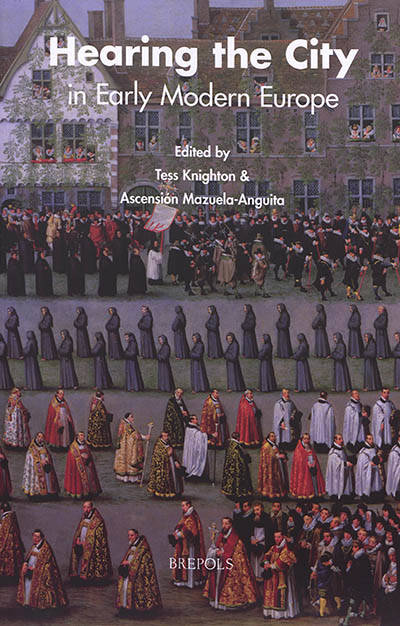
Hearing the City is a major new contribution to the field of urban musicology in the early modern period with twenty-one essays by leading figures in the field from Europe, the USA and Australia. The urban soundscape is studied from a range of different interdisciplinary perspectives, and the book's scope is broad, from the major role of city minstrels in fifteenth-century Viennese urban identity to the civic problems presented by the location of opera houses in Enlightenment Naples. The individual contributions explore themes related to the complex relationships between sound and space within the urban context and between social identity and civic authorities and draw on a wide range of source material from city pay documents and legislation to contemporaneous accounts, correspondence, travel writing, religious and moral tracts, fictional prose and architectural legacy. Aspects of urban soundscapes both specific and common to Naples, Rome, Palermo, Barcelona, Madrid, Valencia, Lisbon, London, Vienna, Hamburg and Zurich are analyzed in their broader socio-cultural contexts, as well as the dynamic networks between cities in Europe and beyond. These case studies are framed by Tim Carter's stimulating introduction to the development of historical urban sound studies and a coda in the form of a discussion as to how the results of urban musicology might be applied through a digital platform to reach beyond academic discourse to involve modern citizens in hearing the soundworlds of the past.
Specificaties
Betrokkenen
- Auteur(s):
- Uitgeverij:
Inhoud
- Aantal bladzijden:
- 428
- Taal:
- Frans
- Reeks:
Eigenschappen
- Productcode (EAN):
- 9782503579597
- Verschijningsdatum:
- 3/04/2018
- Uitvoering:
- Paperback
- Formaat:
- Mass market (rack) paperback
- Afmetingen:
- 190 mm x 290 mm
- Gewicht:
- 1550 g


Alleen bij Standaard Boekhandel
+ 148 punten op je klantenkaart van Standaard Boekhandel
CADEAU

AANGERADEN


Beoordelingen
We publiceren alleen reviews die voldoen aan de voorwaarden voor reviews. Bekijk onze voorwaarden voor reviews.