


- Afhalen na 1 uur in een winkel met voorraad
- Gratis thuislevering in België vanaf € 30
- Ruim aanbod met 7 miljoen producten
- Afhalen na 1 uur in een winkel met voorraad
- Gratis thuislevering in België vanaf € 30
- Ruim aanbod met 7 miljoen producten





€ 79,45
+ 158 punten
Uitvoering
Omschrijving
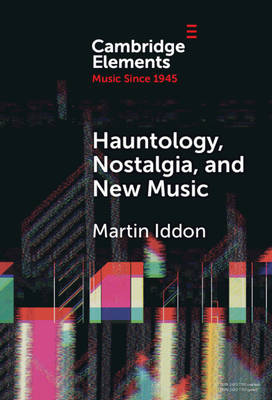
In the past quarter of a century, or longer, popular cultures and musics both popular and 'new' have become concerned, rather than with futurity, with their own pasts, in a world where, after Fukuyama's 'end of history' or Berardi's 'cancellation of the future', the idea of fundamental historical change has seemed increasingly incredible. This Element is a critical study of music in what Fisher calls 'nostalgia mode', a flattened, high-gloss reproduction of a music indistinguishable from that which already exists, save for its technical perfection, and of hauntological musics critical of this stance, which deploy the music of the past not in reassuring fashion, but to stress that, in 'unwounded' history, they would not still be here. Although normally treated separately, this paradigm applies not only to popular music but also to new music, which has historically claimed the music of the future as its privileged territory.
Specificaties
Betrokkenen
- Auteur(s):
- Uitgeverij:
Inhoud
- Aantal bladzijden:
- 70
- Taal:
- Engels
- Reeks:
Eigenschappen
- Productcode (EAN):
- 9781009718516
- Verschijningsdatum:
- 2/04/2026
- Uitvoering:
- Hardcover
- Formaat:
- Genaaid
- Afmetingen:
- 152 mm x 229 mm
- Gewicht:
- 267 g


Alleen bij Standaard Boekhandel
+ 158 punten op je klantenkaart van Standaard Boekhandel
Cadeau

AANGERADEN


Beoordelingen
We publiceren alleen reviews die voldoen aan de voorwaarden voor reviews. Bekijk onze voorwaarden voor reviews.