


- Afhalen na 1 uur in een winkel met voorraad
- Gratis thuislevering in België vanaf € 30
- Ruim aanbod met 7 miljoen producten
- Afhalen na 1 uur in een winkel met voorraad
- Gratis thuislevering in België vanaf € 30
- Ruim aanbod met 7 miljoen producten





€ 69,45
+ 138 punten
Uitvoering
Omschrijving
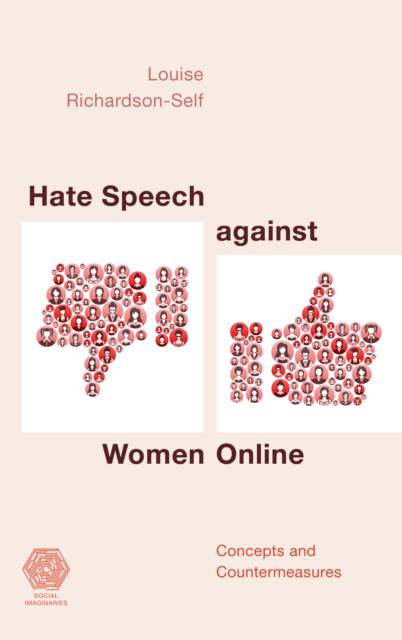
Why are women so frequently targeted with hate speech online and what can we do about it? Psychological explanations for the problem of woman-hating overlook important features of our social world that encourage latent feelings of hostility toward women, even despite our consciously-held ideals of equality. Louise Richardson-Self investigates the woman-hostile norms of the English-speaking internet, the 'rules' of engagement in these social spaces, and the narratives we tell ourselves about who gets to inhabit such spaces. It examines the dominant imaginings (images, impressions, stereotypes, and ideas) of women that are shared in acts of hate speech, highlighting their 'emotional stickiness'. But offering strategies through which we may reimagine our norms of online engagement, the stories that justify those norms, and the logic that makes sense of it all, this book shows how we can create alternative visions of what it means to take up online space as a woman and to ensure that women are seen as entitled to be there. By exploring aspects of 'social imaginaries' theory and applying it to the problem of hate speech against women online, this book illuminates why woman-hating has become such a prominent feature of this environment and how we can make these spaces safer for women.
Specificaties
Betrokkenen
- Auteur(s):
- Uitgeverij:
Inhoud
- Aantal bladzijden:
- 218
- Taal:
- Engels
- Reeks:
Eigenschappen
- Productcode (EAN):
- 9781538147818
- Verschijningsdatum:
- 15/08/2023
- Uitvoering:
- Paperback
- Formaat:
- Trade paperback (VS)
- Afmetingen:
- 152 mm x 229 mm
- Gewicht:
- 326 g


Alleen bij Standaard Boekhandel
+ 138 punten op je klantenkaart van Standaard Boekhandel
AANGERADEN


Beoordelingen
We publiceren alleen reviews die voldoen aan de voorwaarden voor reviews. Bekijk onze voorwaarden voor reviews.