


- Afhalen na 1 uur in een winkel met voorraad
- Gratis thuislevering in België vanaf € 30
- Ruim aanbod met 7 miljoen producten
- Afhalen na 1 uur in een winkel met voorraad
- Gratis thuislevering in België vanaf € 30
- Ruim aanbod met 7 miljoen producten




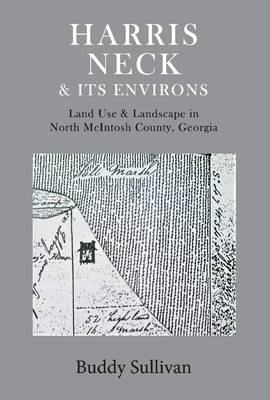
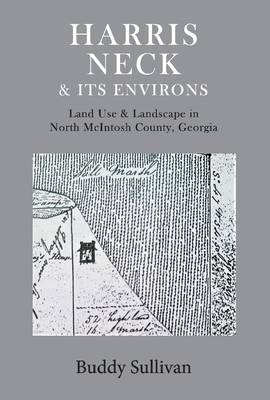
Harris Neck & Its Environs
Land Use & Landscape in North McIntosh County, Georgia
Buddy Sullivan
Hardcover | Engels
€ 39,45
+ 78 punten
Omschrijving
This monograph comprising a survey of the history of Harris Neck, interwoven with that of the northeastern and central sections of McIntosh County, Georgia, is largely extrapolated from my research from 2016 to 2019 contained in two books--a revised and expanded edition of the county history, Early Days on the Georgia Tidewater, and a new volume, Environmental Influences on Life & Labor in McIntosh County, Georgia. The thematic intent of this study rests upon land use patterns and land ownership during the eighteenth and nineteenth centuries in the section under discussion. While Harris Neck is the area most extensively covered, there is ample material relating to tracts, settlements and land use along the South Newport and Sapelo rivers, and the central sections of McIntosh County, including the settlements of Eulonia, Fairhope and Pine Harbor.
Specificaties
Betrokkenen
- Auteur(s):
- Uitgeverij:
Inhoud
- Aantal bladzijden:
- 244
- Taal:
- Engels
Eigenschappen
- Productcode (EAN):
- 9781098304072
- Verschijningsdatum:
- 27/07/2020
- Uitvoering:
- Hardcover
- Formaat:
- Genaaid
- Afmetingen:
- 155 mm x 231 mm
- Gewicht:
- 539 g


Alleen bij Standaard Boekhandel
+ 78 punten op je klantenkaart van Standaard Boekhandel
AANGERADEN


Beoordelingen
We publiceren alleen reviews die voldoen aan de voorwaarden voor reviews. Bekijk onze voorwaarden voor reviews.