


- Afhalen na 1 uur in een winkel met voorraad
- Gratis thuislevering in België vanaf € 30
- Ruim aanbod met 7 miljoen producten
- Afhalen na 1 uur in een winkel met voorraad
- Gratis thuislevering in België vanaf € 30
- Ruim aanbod met 7 miljoen producten


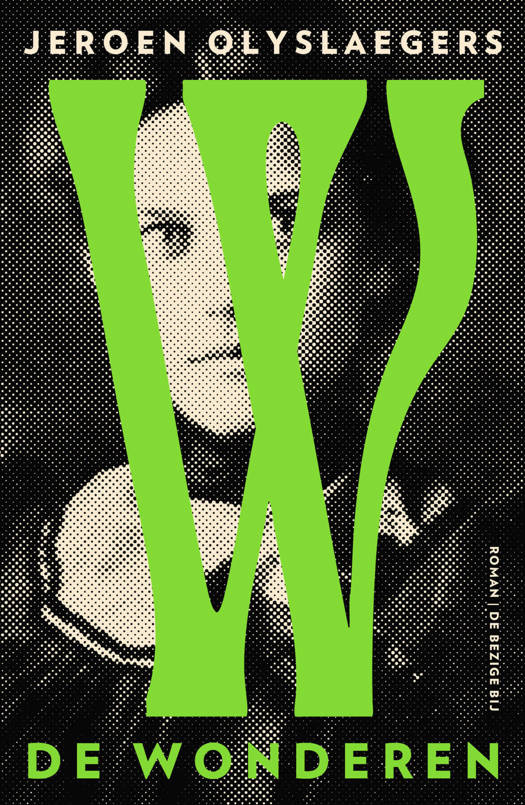


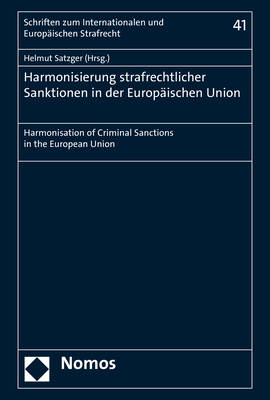
Harmonisierung Strafrechtlicher Sanktionen in Der Europaischen Union / Harmonisation of Criminal Sanctions in the European Union
Harmonisation of Criminal Sanctions in the European Union
€ 137,45
+ 274 punten
Omschrijving
Within the EU, the consequences encountered by an offender for his or her offence vary considerably from one Member State to another. With the aim of reducing the resulting obstacles to judicial cooperation in criminal matters, the EU is increasingly focusing on harmonising the legal consequences of criminal behaviour. However, a convincing system has not yet been developed. This shortfall prompted the international research group the European Criminal Policy Initiative to devise a legally and politically compatible model for harmonising criminal sanctions within the EU, which seeks to balance national and European interests in the best possible way. On the basis of a comprehensive comparison of national legal systems and an analysis of existing European law, this study develops a category model that is based on the idea of the relative comparability of sanctions. It presents and elucidates this new model in English and German and illustrates its potential for further development.
Specificaties
Betrokkenen
- Uitgeverij:
Inhoud
- Aantal bladzijden:
- 803
- Taal:
- Engels
- Reeks:
- Reeksnummer:
- nr. 41
Eigenschappen
- Productcode (EAN):
- 9783848760817
- Verschijningsdatum:
- 4/03/2020
- Uitvoering:
- Hardcover
- Formaat:
- Genaaid
- Afmetingen:
- 157 mm x 229 mm
- Gewicht:
- 1315 g

Alleen bij Standaard Boekhandel
+ 274 punten op je klantenkaart van Standaard Boekhandel
CADEAU


Beoordelingen
We publiceren alleen reviews die voldoen aan de voorwaarden voor reviews. Bekijk onze voorwaarden voor reviews.