


- Afhalen na 1 uur in een winkel met voorraad
- Gratis thuislevering in België vanaf € 30
- Ruim aanbod met 7 miljoen producten
- Afhalen na 1 uur in een winkel met voorraad
- Gratis thuislevering in België vanaf € 30
- Ruim aanbod met 7 miljoen producten





€ 26,45
+ 52 punten
Eenvoudig bestellen
Veilig betalen


Gratis thuislevering vanaf € 30 (via bpost)
Gratis levering in je Standaard Boekhandel
Omschrijving
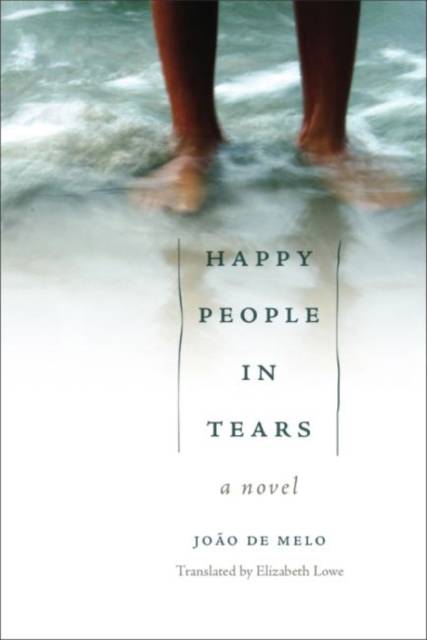
Happy People in Tears is an award-winning tale of diaspora that takes the reader on a voyage through five worlds--the island home of São Miguel, mainland Portugal, California, New England, and Canada--experienced and suffered through the obsessive search for happiness of a poor Azorean family of nine. It is a polyphonic novel, in which the voices of three of seven siblings narrate their versions of the family saga in alternating chapters, culminating in a dialogue between the key narrator, Nuno Miguel, and his estranged wife, Marta, who tells the story from her point of view and sheds a harsh light on her husband, the poet, and his chronically tearful family. Nuno Miguel completes the circle of migration and suffering in the final chapter to return to his ancestral home, to greater self-awareness and a place of acceptance. It is a timely book that addresses the loss of the familiar, family separation and alienation, the anxiety of displacement, and alterity in an increasingly complex and interdependent world. The book also offers a fascinating vision of Portugal during the time of the Salazar dictatorship and its colonial wars in Africa, when the political collusion of church and state fomented a patriarchal society that became mirrored in the violence of the family ruled by an abusive father.
Specificaties
Betrokkenen
- Auteur(s):
- Vertaler(s):
- Uitgeverij:
Inhoud
- Aantal bladzijden:
- 392
- Taal:
- Engels
- Reeks:
Eigenschappen
- Productcode (EAN):
- 9781933227641
- Verschijningsdatum:
- 5/05/2015
- Uitvoering:
- Paperback
- Formaat:
- Trade paperback (VS)
- Afmetingen:
- 155 mm x 229 mm
- Gewicht:
- 498 g


Alleen bij Standaard Boekhandel
+ 52 punten op je klantenkaart van Standaard Boekhandel
CADEAU

AANGERADEN


Beoordelingen
We publiceren alleen reviews die voldoen aan de voorwaarden voor reviews. Bekijk onze voorwaarden voor reviews.