


- Afhalen na 1 uur in een winkel met voorraad
- Gratis thuislevering in België vanaf € 30
- Ruim aanbod met 7 miljoen producten
- Afhalen na 1 uur in een winkel met voorraad
- Gratis thuislevering in België vanaf € 30
- Ruim aanbod met 7 miljoen producten





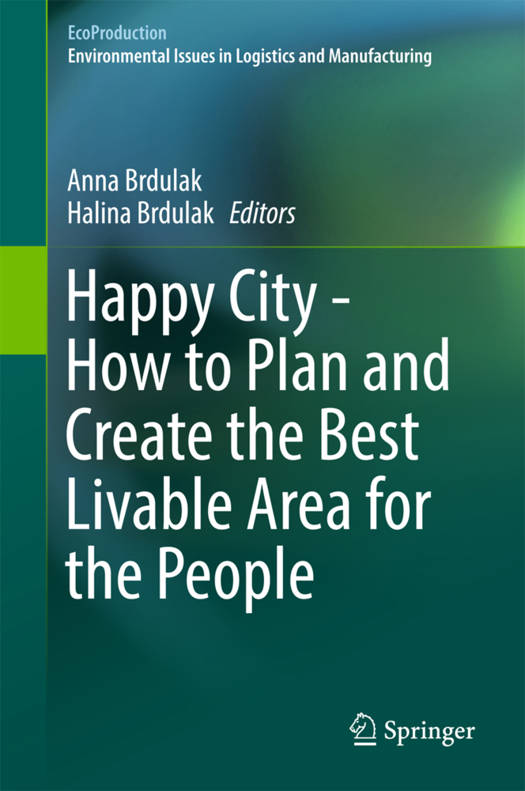
Happy City - How to Plan and Create the Best Livable Area for the People
€ 173,45
+ 346 punten
Omschrijving
Cities in Europe face the challenge of reconciling sustainable urban development and competitiveness - a challenge that will likely influence issues of urban quality such as the economy, culture, social and environmental conditions, changing a given city's profile as well as urban quality in terms of its composition and characteristics.
Specificaties
Betrokkenen
- Uitgeverij:
Inhoud
- Aantal bladzijden:
- 318
- Taal:
- Engels
- Reeks:
Eigenschappen
- Productcode (EAN):
- 9783319498980
- Verschijningsdatum:
- 10/03/2017
- Uitvoering:
- Hardcover
- Formaat:
- Genaaid
- Afmetingen:
- 156 mm x 234 mm
- Gewicht:
- 644 g

Alleen bij Standaard Boekhandel
+ 346 punten op je klantenkaart van Standaard Boekhandel
Cadeau

AANGERADEN


Beoordelingen
We publiceren alleen reviews die voldoen aan de voorwaarden voor reviews. Bekijk onze voorwaarden voor reviews.