


- Afhalen na 1 uur in een winkel met voorraad
- Gratis thuislevering in België vanaf € 30
- Ruim aanbod met 7 miljoen producten
- Afhalen na 1 uur in een winkel met voorraad
- Gratis thuislevering in België vanaf € 30
- Ruim aanbod met 7 miljoen producten





€ 67,95
+ 135 punten
Omschrijving
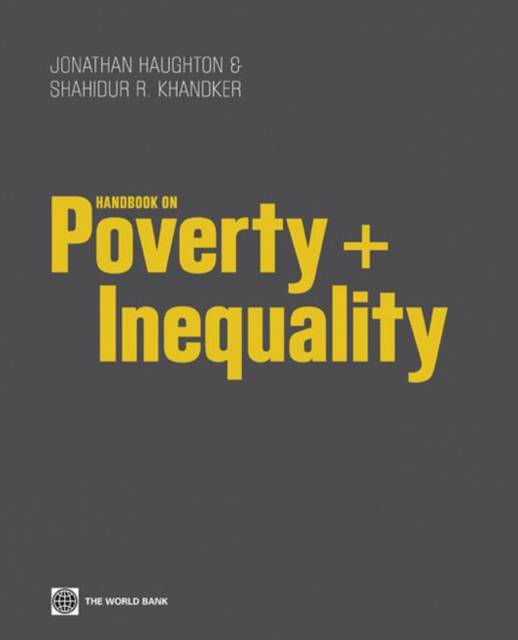
For anyone wanting to learn, in practical terms, how to measure, describe, monitor, evaluate, and analyze poverty, the Handbook is the place to start. Designed initially to support training courses on poverty analysis, it consists of explanatory text with numerous examples, interspersed with multiple-choice questions (to ensure active learning) and combined with extensive practical exercises using Stata statistical software. The sixteen chapters cover the measurement of poverty and poverty lines, how to create poverty profiles, the comparison of poverty over time and across countries, vulnerability to poverty, monitoring and evaluation of poverty, and the effects of public policy on inequality and poverty. This book will serve as a very useful function in introducing newcomers to poverty analysis and to the entire range of analytical issues that they will be exposed to. It will be required reading for development partners, academics, and researchers for better understanding the rudiments and intricacies of analyzing poverty.
Specificaties
Betrokkenen
- Auteur(s):
- Uitgeverij:
Inhoud
- Aantal bladzijden:
- 442
- Taal:
- Engels
- Reeks:
Eigenschappen
- Productcode (EAN):
- 9780821376133
- Verschijningsdatum:
- 27/03/2009
- Uitvoering:
- Paperback
- Formaat:
- Trade paperback (VS)
- Afmetingen:
- 191 mm x 234 mm
- Gewicht:
- 889 g


Alleen bij Standaard Boekhandel
+ 135 punten op je klantenkaart van Standaard Boekhandel
Cadeau

AANGERADEN


Beoordelingen
We publiceren alleen reviews die voldoen aan de voorwaarden voor reviews. Bekijk onze voorwaarden voor reviews.