



Je cadeautjes zeker op tijd in huis hebben voor de feestdagen? Kom langs in onze winkels en vind het perfecte geschenk!
- Afhalen na 1 uur in een winkel met voorraad
- Gratis thuislevering in België vanaf € 30
- Ruim aanbod met 7 miljoen producten
Je cadeautjes zeker op tijd in huis hebben voor de feestdagen? Kom langs in onze winkels en vind het perfecte geschenk!
- Afhalen na 1 uur in een winkel met voorraad
- Gratis thuislevering in België vanaf € 30
- Ruim aanbod met 7 miljoen producten





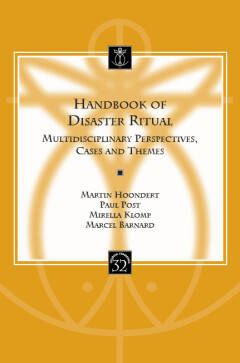
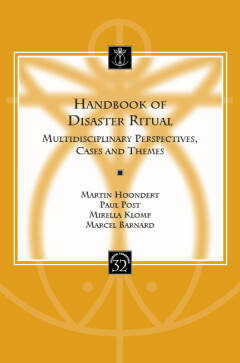
Handbook of Disaster Ritual
Multidisciplinary Perspectives, Cases and Themes
€ 223,95
+ 447 punten
Omschrijving
The Handbook of Disaster Ritual presents an overview of relevant literature, perspectives, methods, concepts, as well as a selection of topical themes in relation to current disaster rituals. The handbook has been compiled from multi-disciplinary and geographically diverse perspectives and works with broad definitions of the concepts of both disaster and ritual. A disaster is defined as an event or situation that causes a significant disruption of a society or a group and evokes a collective and/or an individual reaction with expression of mourning, compassion, indignation, protest, call for justice, recovery, reconciliation, and consolation. In this working definition, it is clear that the impact of a disaster is 'translated ritually'. Disasters bring forth a variety of ritual practices. The Handbook of Disaster Ritual consists of three parts. After an extensive conceptual and historiographical introduction, Part I presents several perspectives on the study of disasters and disaster rituals. In Part II, a team of international scholars presents nineteen case studies of various disasters and disaster rituals. Part III addresses various themes from the case studies that can be seen as key elements in disaster rituals.
Specificaties
Betrokkenen
- Uitgeverij:
Inhoud
- Aantal bladzijden:
- 684
- Taal:
- Engels
- Reeks:
- Reeksnummer:
- nr. 32
Eigenschappen
- Productcode (EAN):
- 9789042946484
- Verschijningsdatum:
- 31/12/2021
- Uitvoering:
- Paperback
- Formaat:
- Trade paperback (VS)
- Afmetingen:
- 152 mm x 231 mm
- Gewicht:
- 929 g

Alleen bij Standaard Boekhandel
+ 447 punten op je klantenkaart van Standaard Boekhandel
CADEAU


Beoordelingen
We publiceren alleen reviews die voldoen aan de voorwaarden voor reviews. Bekijk onze voorwaarden voor reviews.