



- Afhalen na 1 uur in een winkel met voorraad
- In januari gratis thuislevering in België
- Ruim aanbod met 7 miljoen producten
- Afhalen na 1 uur in een winkel met voorraad
- In januari gratis thuislevering in België
- Ruim aanbod met 7 miljoen producten






Prijzen

Omschrijving
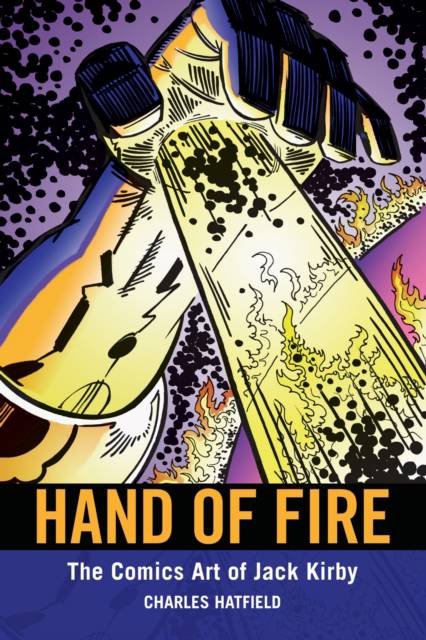
Jack Kirby (1917-1994) is one of the most influential and popular artists in comics history. With Stan Lee, he created the Fantastic Four and defined the drawing and narrative style of Marvel Comics from the 1960s to the present day. Kirby is credited with creating or cocreating a number of Marvel's mainstay properties, among them the X-Men, the Hulk, Thor, and the Silver Surfer. His earlier work with Joe Simon led to the creation of Captain America, the popular kid gang and romance comic genres, and one of the most successful comics studios of the 1940s and 1950s. Kirby's distinctive narrative drawing, use of bold abstraction, and creation of angst-ridden and morally flawed heroes mark him as one of the most influential mainstream creators in comics. In this book, Charles Hatfield examines the artistic legacy of one of America's true comic book giants. He analyzes the development of Kirby's cartooning technique, his use of dynamic composition, the recurring themes and moral ambiguities in his work, his eventual split from Lee, and his later work as a solo artist. Against the backdrop of Kirby's earlier work in various genres, Hand of Fire examines the peak of Kirby's career, when he introduced a new sense of scope and sublimity to comic book fantasy.
Specificaties
Betrokkenen
- Auteur(s):
- Uitgeverij:
Inhoud
- Aantal bladzijden:
- 304
- Taal:
- Engels
- Reeks:
Eigenschappen
- Productcode (EAN):
- 9781617031779
- Verschijningsdatum:
- 27/09/2013
- Uitvoering:
- Hardcover
- Formaat:
- Ongenaaid / garenloos gebonden
- Afmetingen:
- 155 mm x 229 mm
- Gewicht:
- 635 g



Alleen bij Standaard Boekhandel
+ 373 punten op je klantenkaart van Standaard Boekhandel
Cadeau

AANGERADEN


Beoordelingen
We publiceren alleen reviews die voldoen aan de voorwaarden voor reviews. Bekijk onze voorwaarden voor reviews.