


- Afhalen na 1 uur in een winkel met voorraad
- Gratis thuislevering in België vanaf € 30
- Ruim aanbod met 7 miljoen producten
- Afhalen na 1 uur in een winkel met voorraad
- Gratis thuislevering in België vanaf € 30
- Ruim aanbod met 7 miljoen producten





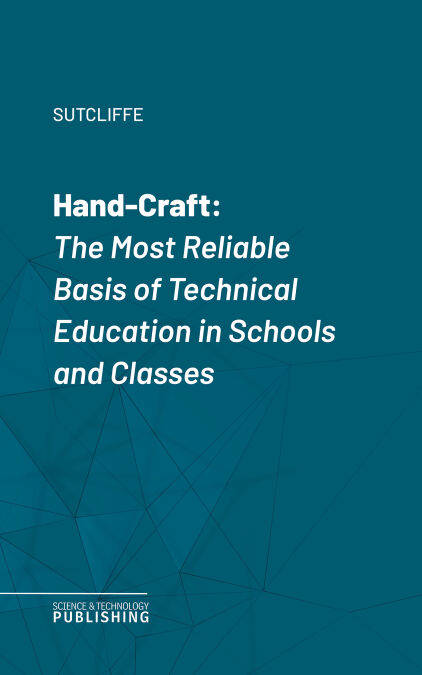
Hand-Craft E-BOOK
The Most Reliable Basis of Technical Education in Schools and Classes
Sutcliffe
E-book | Engels
€ 19,99
+ 19 punten
Omschrijving
Hand-Craft: The Most Reliable Basis of Technical Education in Schools and Classes is a comprehensive treatise by T. W. Berry, first published in the late 19th century, that advocates for the integration of manual training and hand-craft into the educational curriculum. The book presents a compelling argument that practical, hands-on work is essential for the intellectual and moral development of students, positioning hand-craft as the foundation of effective technical education. Berry meticulously outlines the educational, psychological, and social benefits of manual training, emphasizing its role in fostering creativity, discipline, problem-solving skills, and a sense of accomplishment among learners. The book delves into the historical context of technical education, tracing the evolution of hand-craft instruction and its significance in industrial societies. Berry provides detailed guidance on the organization and management of hand-craft classes, including recommendations for suitable materials, tools, and workshop layouts. He discusses various methods of instruction, curriculum planning, and assessment, offering practical advice for teachers and school administrators seeking to implement or improve hand-craft programs. Throughout the text, Berry highlights the importance of balancing theoretical knowledge with practical application, arguing that true technical proficiency can only be achieved through direct experience and manipulation of materials. He addresses common objections to manual training, dispelling misconceptions and presenting evidence of its positive impact on students’ character and future employability. Hand-Craft: The Most Reliable Basis of Technical Education in Schools and Classes remains a valuable resource for educators, historians, and anyone interested in the philosophy and practice of technical education. Its insights into the enduring value of hand-craft in personal and societal development continue to resonate, making it a seminal work in the field of educational theory and practice.
Specificaties
Betrokkenen
- Auteur(s):
- Uitgeverij:
Inhoud
- Taal:
- Engels
Eigenschappen
- Productcode (EAN):
- 9782528107867
- Verschijningsdatum:
- 31/08/2025
- Uitvoering:
- E-book
- Formaat:
- ePub


Alleen bij Standaard Boekhandel
+ 19 punten op je klantenkaart van Standaard Boekhandel
Cadeau

AANGERADEN


Beoordelingen
We publiceren alleen reviews die voldoen aan de voorwaarden voor reviews. Bekijk onze voorwaarden voor reviews.