


- Afhalen na 1 uur in een winkel met voorraad
- Gratis thuislevering in België vanaf € 30
- Ruim aanbod met 7 miljoen producten
- Afhalen na 1 uur in een winkel met voorraad
- Gratis thuislevering in België vanaf € 30
- Ruim aanbod met 7 miljoen producten





€ 24,59
+ 24 punten
Eenvoudig bestellen
Veilig betalen


Onmiddellijk geleverd via e-mail
Omschrijving
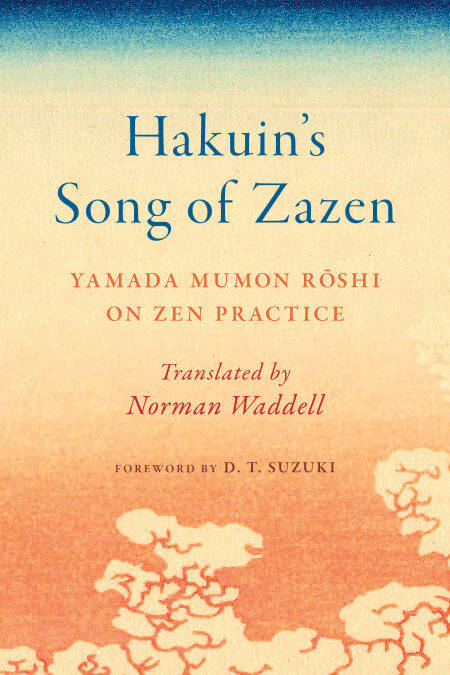
Renowned modern Zen master Yamada Mumon Rōshi uses Hakuin’s famous poem of spiritual realization, Song of Zazen, as a starting point to embark on a lively commentary on Zen practice in contemporary life.
First published in Japan in 1962, Hakuin’s Song of Zazen is a celebrated collection of short essays by Zen master Yamada Mumon Rōshi. Translated into English for the first time, it introduces the story of Hakuin’s early life and training, then uses his classic Zen chanting poem, Song of Zazen, to make wide-ranging considerations of the Zen tradition and its applications in modern Japanese life.
As Daisetz Suzuki remarks in his foreword, what gives Mumon’s book its unique flavor and makes it different from previous works by Zen teachers are his forays into matters of ordinary, everyday life, expanding his Zen teaching to encompass interests that are closely linked with his lay audience. He responds to a news article that catches his eye in the morning paper, delivers criticism on contemporary political and social trends, explores matters as diversified as the uses of atomic energy, the court culture of seventeenth-century France, a leper hospital on an island in the Inland Sea, Albert Schweitzer and other noted Western figures—and more. In doing this Mumon gives readers open access to the opinions, judgements, and practical thinking of a leading Zen master—a map of his planet, so to speak. Each brief chapter of Mumon’s book is an invitation to follow Hakuin and himself down the path of true Zen realization.
First published in Japan in 1962, Hakuin’s Song of Zazen is a celebrated collection of short essays by Zen master Yamada Mumon Rōshi. Translated into English for the first time, it introduces the story of Hakuin’s early life and training, then uses his classic Zen chanting poem, Song of Zazen, to make wide-ranging considerations of the Zen tradition and its applications in modern Japanese life.
As Daisetz Suzuki remarks in his foreword, what gives Mumon’s book its unique flavor and makes it different from previous works by Zen teachers are his forays into matters of ordinary, everyday life, expanding his Zen teaching to encompass interests that are closely linked with his lay audience. He responds to a news article that catches his eye in the morning paper, delivers criticism on contemporary political and social trends, explores matters as diversified as the uses of atomic energy, the court culture of seventeenth-century France, a leper hospital on an island in the Inland Sea, Albert Schweitzer and other noted Western figures—and more. In doing this Mumon gives readers open access to the opinions, judgements, and practical thinking of a leading Zen master—a map of his planet, so to speak. Each brief chapter of Mumon’s book is an invitation to follow Hakuin and himself down the path of true Zen realization.
Specificaties
Betrokkenen
- Auteur(s):
- Vertaler(s):
- Uitgeverij:
Inhoud
- Aantal bladzijden:
- 232
- Taal:
- Engels
Eigenschappen
- Productcode (EAN):
- 9780834845497
- Verschijningsdatum:
- 5/02/2024
- Uitvoering:
- E-book
- Beveiligd met:
- Adobe DRM
- Formaat:
- ePub


Alleen bij Standaard Boekhandel
+ 24 punten op je klantenkaart van Standaard Boekhandel
CADEAU

AANGERADEN


Beoordelingen
We publiceren alleen reviews die voldoen aan de voorwaarden voor reviews. Bekijk onze voorwaarden voor reviews.