


- Afhalen na 1 uur in een winkel met voorraad
- Gratis thuislevering in België vanaf € 30
- Ruim aanbod met 7 miljoen producten
- Afhalen na 1 uur in een winkel met voorraad
- Gratis thuislevering in België vanaf € 30
- Ruim aanbod met 7 miljoen producten





€ 138,95
+ 277 punten
Omschrijving
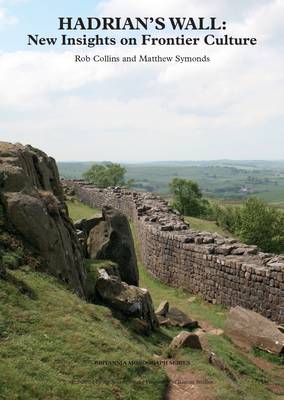
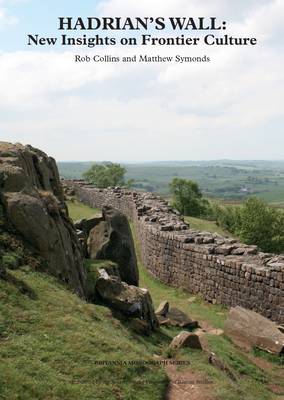
Hadrian's Wall is universally recognised as a Roman frontier monument par excellence, with its numerous attractions visited by over half-a-million tourists per annum and the archaeological study of the monument feeding into teaching and research around the world. The Wall occupies a leading role within the specialist area of Roman Frontier Studies, yet it still has so much more to offer. This volume presents a series of thematic case studies that are geographically focused on Hadrian's Wall and the wider frontier zone, while also demonstrating how work in this region can advance understanding of core issues for Roman archaeology more generally. Each case study combines the latest research and thinking by specialists in their field, presented in an accessible format appropriate for enthusiasts, students, and professionals working in archaeology and/or Classics. As well as providing an overview of current thinking about the frontier, the volume focuses in on the Wall and its communities; the use of stone, from source to structure; evidence for conflict and violence; religion and belief, in life and death; aspects of material culture; and the Wall as a cultural phenomenon.
Specificaties
Betrokkenen
- Uitgeverij:
Inhoud
- Aantal bladzijden:
- 258
- Taal:
- Engels
- Reeks:
Eigenschappen
- Productcode (EAN):
- 9780907764526
- Verschijningsdatum:
- 14/05/2026
- Uitvoering:
- Paperback
- Formaat:
- Trade paperback (VS)
- Afmetingen:
- 210 mm x 297 mm
- Gewicht:
- 1124 g

Alleen bij Standaard Boekhandel
+ 277 punten op je klantenkaart van Standaard Boekhandel
Cadeau

AANGERADEN


Beoordelingen
We publiceren alleen reviews die voldoen aan de voorwaarden voor reviews. Bekijk onze voorwaarden voor reviews.