


- Afhalen na 1 uur in een winkel met voorraad
- Gratis thuislevering in België vanaf € 30
- Ruim aanbod met 7 miljoen producten
- Afhalen na 1 uur in een winkel met voorraad
- Gratis thuislevering in België vanaf € 30
- Ruim aanbod met 7 miljoen producten





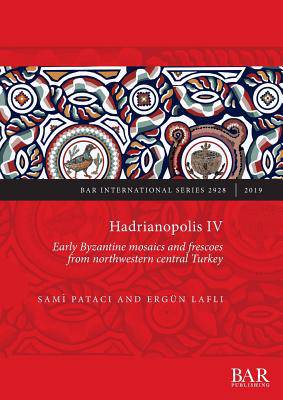
Hadrianopolis IV
Early Byzantine mosaics and frescoes from northwestern central Turkey
Sami Pataci, Ergün Lafli
€ 192,95
+ 385 punten
Omschrijving
Hadrianopolis is located on the principal western route from the Central Anatolian plain through the mountains to Bartın and the Black Sea, 3 km west of modern Eskipazar, near Karabük, in Roman southwestern Paphlagonia. Though small, it dominated a rich agricultural and vinicultural enclave on the borders between Paphlagonia, Bithynia and Galatia. Between 2005 and 2008, four survey, excavation and restoration campaigns were conducted on the site by Dokuz Eylül University. The 2005 surveys identified the remains of at least 24 buildings, many of which were paved with extensive mosaic floors. Following the publication of the inscriptions (Hadrianopolis I), glass (Hadrianopolis II), and pottery finds (Hadrianopolis III), the present volume is devoted to these early Byzantine mosaics and frescoes from this site, dated mainly to the 6th and 7th centuries AD. The most remarkable of these is the floor mosaic of the nave of the Basilica B, which displays personifications of the four rivers of paradise: Euphrates, Tigris, Phison and Geon.
Specificaties
Betrokkenen
- Auteur(s):
- Uitgeverij:
Inhoud
- Aantal bladzijden:
- 330
- Taal:
- Engels
- Reeks:
- Reeksnummer:
- nr. 2928
Eigenschappen
- Productcode (EAN):
- 9781407315263
- Verschijningsdatum:
- 30/04/2019
- Uitvoering:
- Paperback
- Formaat:
- Trade paperback (VS)
- Afmetingen:
- 210 mm x 297 mm
- Gewicht:
- 1065 g


Alleen bij Standaard Boekhandel
+ 385 punten op je klantenkaart van Standaard Boekhandel

Beoordelingen
We publiceren alleen reviews die voldoen aan de voorwaarden voor reviews. Bekijk onze voorwaarden voor reviews.