



Je cadeautjes zeker op tijd in huis hebben voor de feestdagen? Kom langs in onze winkels en vind het perfecte geschenk!
- Afhalen na 1 uur in een winkel met voorraad
- Gratis thuislevering in België vanaf € 30
- Ruim aanbod met 7 miljoen producten
Je cadeautjes zeker op tijd in huis hebben voor de feestdagen? Kom langs in onze winkels en vind het perfecte geschenk!
- Afhalen na 1 uur in een winkel met voorraad
- Gratis thuislevering in België vanaf € 30
- Ruim aanbod met 7 miljoen producten





Omschrijving
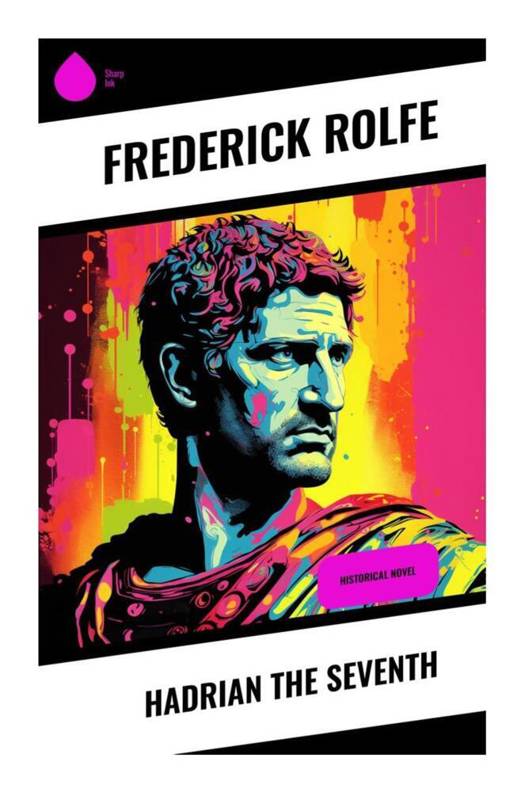
In "Hadrian the Seventh," Frederick Rolfe intricately weaves a provocative narrative that explores themes of religion, power, and the human condition through the life of an unconventional Pope. The novel unfolds as the protagonist, a disillusioned and enigmatic Englishman, unexpectedly ascends to the papacy. Rolfe employs a rich, baroque literary style, characterized by ornate prose and vivid imagery, which draws readers into a world filled with theological quandaries and personal dilemmas. Set against the sociopolitical backdrop of early 20th-century Europe, the book navigates the juxtaposition between the sacred and the mundane, revealing the complexities of faith and ambition within the constraints of institutional authority. Frederick Rolfe, often overshadowed by his contemporaries, was a fascinating figure whose own experiences of rejection and social estrangement fueled his creative endeavors. Having faced numerous personal challenges and an identity marked by both flamboyance and isolation, Rolfe's own disenchantment with the Church and societal conventions found expression in this audacious work. His unique perspective, informed by a deep understanding of ecclesiastical history and his own biographical turmoil, breathes life into the character of Hadrian, making it not just a story, but a potent examination of spirituality and human ambition. I highly recommend "Hadrian the Seventh" to readers seeking a profound exploration of faith through the lens of fiction. This novel not only entertains but also invites deep reflection, making it a worthy addition to the canon of religious literature. Rolfe's storytelling is a compelling invitation to ponder the nature of authority and the clash between personal belief and institutional dogma, ensuring that it remains relevant for contemporary audiences.
Specificaties
Betrokkenen
- Auteur(s):
- Uitgeverij:
Inhoud
- Aantal bladzijden:
- 196
- Taal:
- Engels
Eigenschappen
- Productcode (EAN):
- 9788028337193
- Uitvoering:
- Paperback
- Afmetingen:
- 152 mm x 229 mm
- Gewicht:
- 273 g


Alleen bij Standaard Boekhandel
+ 25 punten op je klantenkaart van Standaard Boekhandel
CADEAU


Beoordelingen
We publiceren alleen reviews die voldoen aan de voorwaarden voor reviews. Bekijk onze voorwaarden voor reviews.