


- Afhalen na 1 uur in een winkel met voorraad
- Gratis thuislevering in België vanaf € 30
- Ruim aanbod met 7 miljoen producten
- Afhalen na 1 uur in een winkel met voorraad
- Gratis thuislevering in België vanaf € 30
- Ruim aanbod met 7 miljoen producten





Omschrijving
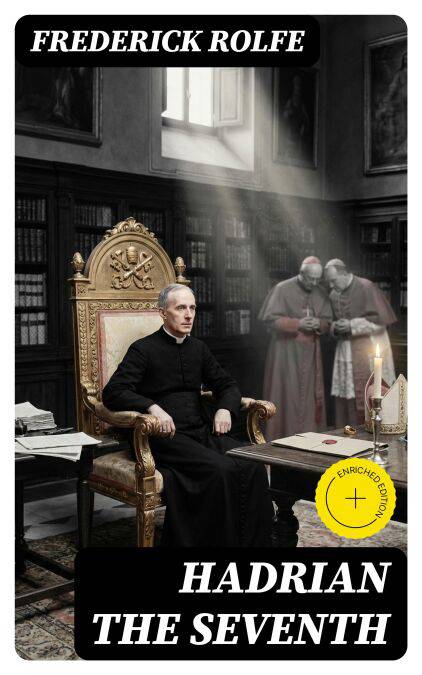
In "Hadrian the Seventh," Frederick Rolfe crafts a rich narrative blending autobiography, fiction, and theological exploration within the framework of a fantastical papacy. The novel follows the protagonist, an English writer named Father Hadrian, who unexpectedly ascends to the papal throne after a series of surreal, dreamlike events. Rolfe's lush prose is imbued with vivid imagery and complex characterizations that reflect his deep understanding of Catholicism and the socio-political intrigues of the time. Set against the backdrop of early 20th-century Europe, the work explores themes of faith, power, and the paradoxes of religious authority, navigating between idealism and harsh realities with a unique blend of satire and reverence. Frederick Rolfe, also known as Baron Corvo, was an eccentric and controversial figure whose personal experiences as an outsider fueled his literary endeavors. His own struggles with identity and acceptance within societal and ecclesiastical structures resonate through Hadrian's character. Rolfe's knowledge of Catholic doctrine and history, coupled with his artistic inclinations, imbues the novel with authenticity and profound philosophical inquiry, offering insight into both his life and the broader human experience. "Hadrian the Seventh" is not merely a novel; it is an invitation to ponder the complexities of faith and power. Readers seeking a thought-provoking journey through the intersections of spirituality and authority will find Rolfe's work both enlightening and entertaining. Its rich narrative and layered themes make it a significant contribution to the discourse surrounding belief and human aspiration.
Specificaties
Betrokkenen
- Auteur(s):
- Uitgeverij:
Inhoud
- Aantal bladzijden:
- 329
- Taal:
- Engels
Eigenschappen
- Productcode (EAN):
- 8596547388609
- Verschijningsdatum:
- 12/11/2022
- Uitvoering:
- E-book
- Beveiligd met:
- Digital watermarking
- Formaat:
- ePub



Alleen bij Standaard Boekhandel
CADEAU

AANGERADEN


Beoordelingen
We publiceren alleen reviews die voldoen aan de voorwaarden voor reviews. Bekijk onze voorwaarden voor reviews.