



- Afhalen na 1 uur in een winkel met voorraad
- In januari gratis thuislevering in België
- Ruim aanbod met 7 miljoen producten
- Afhalen na 1 uur in een winkel met voorraad
- In januari gratis thuislevering in België
- Ruim aanbod met 7 miljoen producten





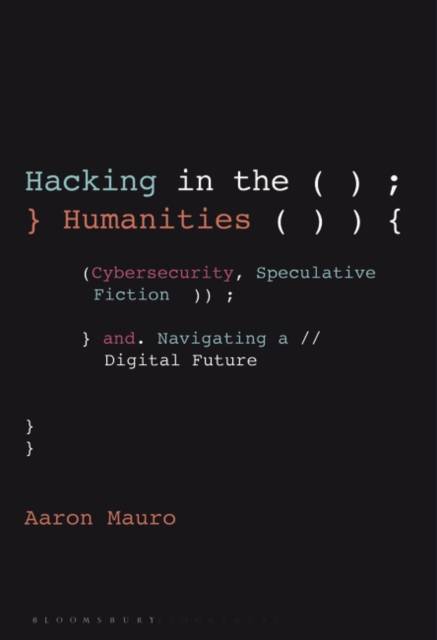
Hacking in the Humanities
Cybersecurity, Speculative Fiction, and Navigating a Digital Future
Aaron Mauro
€ 55,95
+ 111 punten
Uitvoering
Omschrijving
What would it take to hack a human? How exploitable are we? In the cybersecurity industry, professionals know that the weakest component of any system sits between the chair and the keyboard. This book looks to speculative fiction, cyberpunk and the digital humanities to bring a human - and humanistic - perspective to the issue of cybersecurity. It argues that through these stories we are able to predict the future political, cultural, and social realities emerging from technological change.
Making the case for a security-minded humanities education, this book examines pressing issues of data security, privacy, social engineering and more, illustrating how the humanities offer the critical, technical, and ethical insights needed to oppose the normalization of surveillance, disinformation, and coercion. Within this counter-cultural approach to technology, this book offers a model of activism to intervene and meaningfully resist government and corporate oversight online. In doing so, it argues for a wider notion of literacy, which includes the ability to write and fight the computer code that shapes our lives.Specificaties
Betrokkenen
- Auteur(s):
- Uitgeverij:
Inhoud
- Aantal bladzijden:
- 224
- Taal:
- Engels
- Reeks:
Eigenschappen
- Productcode (EAN):
- 9781350231023
- Verschijningsdatum:
- 30/06/2022
- Uitvoering:
- Paperback
- Formaat:
- Trade paperback (VS)
- Afmetingen:
- 155 mm x 231 mm
- Gewicht:
- 340 g


Alleen bij Standaard Boekhandel
+ 111 punten op je klantenkaart van Standaard Boekhandel
Cadeau

AANGERADEN


Beoordelingen
We publiceren alleen reviews die voldoen aan de voorwaarden voor reviews. Bekijk onze voorwaarden voor reviews.