


- Afhalen na 1 uur in een winkel met voorraad
- Gratis thuislevering in België vanaf € 30
- Ruim aanbod met 7 miljoen producten
- Afhalen na 1 uur in een winkel met voorraad
- Gratis thuislevering in België vanaf € 30
- Ruim aanbod met 7 miljoen producten





€ 58,45
+ 116 punten
Omschrijving
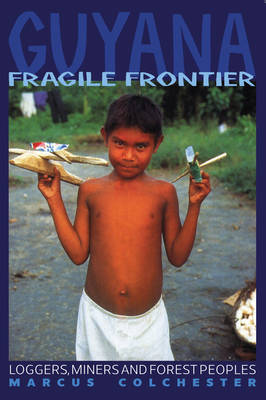
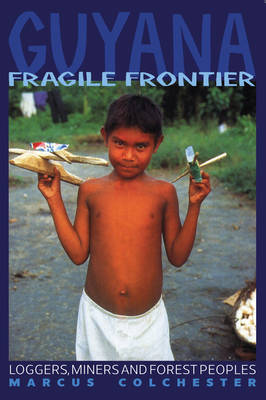
Guyana's environment is in danger of wholesale destruction. In the name of economic liberalization, this small, indebted country is promoting a dramatic escalation of logging, mining and other forms of extraction. In the 1990s, millions of hectares of rainforest have been leased to foreign companies for logging, while gold mining is going through a new and devastating boom. The Omai gold mine disaster of August 1995 was dramatic evidence of the potential for catastrophe. At the centre of Guyana's ecological crisis stands the country's indigenous population, historically marginalized and now threatened by the invasion of loggers, miners and ranchers. Their claims to land titles have long been ignored, and the present government strategy is worsening their chances of survival. This book describes the onslaught on the country's environment and the forces - economic and political - behind it. Looking at the role of the IMF, World Bank and foreign companies, Marcus Colchester shows how structural adjustment has paved the way for extraction-based development. He demonstrates how internal politics and external economic interests have combined in forcing Guyana to cash in its resources for short-term gain.
Specificaties
Betrokkenen
- Auteur(s):
- Uitgeverij:
Inhoud
- Aantal bladzijden:
- 184
- Taal:
- Engels
Eigenschappen
- Productcode (EAN):
- 9781899365029
- Verschijningsdatum:
- 1/06/1997
- Uitvoering:
- Paperback
- Formaat:
- Trade paperback (VS)
- Afmetingen:
- 152 mm x 229 mm
- Gewicht:
- 254 g


Alleen bij Standaard Boekhandel
+ 116 punten op je klantenkaart van Standaard Boekhandel

Beoordelingen
We publiceren alleen reviews die voldoen aan de voorwaarden voor reviews. Bekijk onze voorwaarden voor reviews.