


- Afhalen na 1 uur in een winkel met voorraad
- Gratis thuislevering in België vanaf € 30
- Ruim aanbod met 7 miljoen producten
- Afhalen na 1 uur in een winkel met voorraad
- Gratis thuislevering in België vanaf € 30
- Ruim aanbod met 7 miljoen producten





€ 19,99
+ 19 punten
Omschrijving
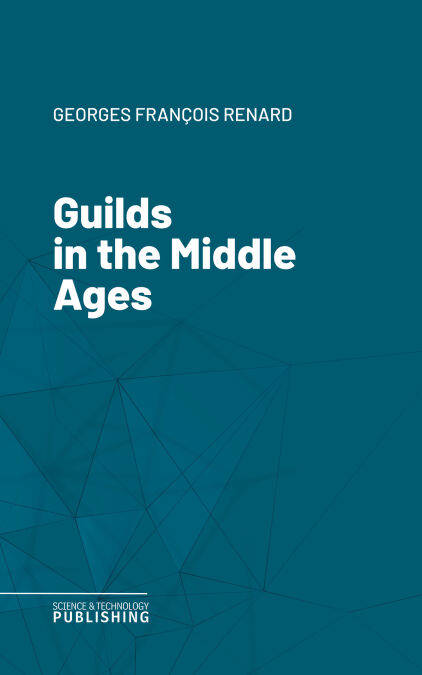
Guilds in the Middle Ages is a comprehensive exploration of the origins, development, and influence of guilds throughout medieval Europe. Drawing on a wealth of historical sources, the book delves into the intricate organization of guilds, their rules, customs, and the pivotal roles they played in shaping economic, social, and political life from the early Middle Ages through the Renaissance. It examines the formation of craft and merchant guilds, their systems of apprenticeship and mastery, and the ways in which they regulated trade, maintained quality standards, and protected their members’ interests. The book also investigates the relationship between guilds and urban life, highlighting how these associations contributed to the growth of towns and cities, fostered a sense of community, and provided social security for their members. It discusses the internal governance of guilds, their rituals, symbols, and the significance of their charters and privileges granted by monarchs and local authorities. The narrative brings to life the daily experiences of craftsmen, merchants, and artisans, illustrating how guilds shaped their professional and personal identities. Furthermore, Guilds in the Middle Ages addresses the challenges and criticisms faced by guilds, including accusations of monopolistic practices, resistance to innovation, and eventual decline in the face of changing economic conditions and the rise of capitalism. The book provides vivid case studies from various regions, including England, France, Germany, and Italy, offering a comparative perspective on the diversity and adaptability of guild institutions. Richly detailed and engaging, Guilds in the Middle Ages is an essential resource for anyone interested in medieval history, economic development, and the enduring legacy of collective organization in shaping European society.
Specificaties
Betrokkenen
- Auteur(s):
- Uitgeverij:
Inhoud
- Taal:
- Engels
Eigenschappen
- Productcode (EAN):
- 9782528110621
- Verschijningsdatum:
- 31/08/2025
- Uitvoering:
- E-book
- Formaat:
- ePub


Alleen bij Standaard Boekhandel
+ 19 punten op je klantenkaart van Standaard Boekhandel
Cadeau

AANGERADEN


Beoordelingen
We publiceren alleen reviews die voldoen aan de voorwaarden voor reviews. Bekijk onze voorwaarden voor reviews.