


- Afhalen na 1 uur in een winkel met voorraad
- Gratis thuislevering in België vanaf € 30
- Ruim aanbod met 7 miljoen producten
- Afhalen na 1 uur in een winkel met voorraad
- Gratis thuislevering in België vanaf € 30
- Ruim aanbod met 7 miljoen producten





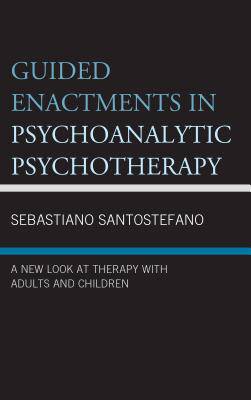
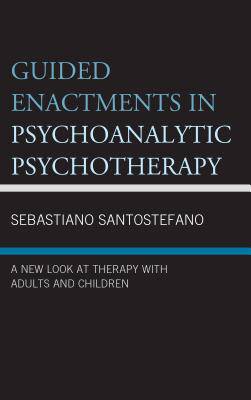
Guided Enactments in Psychoanalytic Psychotherapy
A New Look at Therapy with Adults and Children
Sebastiano Santostefano
€ 186,95
+ 373 punten
Omschrijving
Thirty five percent of persons who are provided psychotherapy do not benefit from treatment, or drop out of therapy prematurely because they fail to establish a working alliance with the therapist. To address this issue the volume presents a matrix of concepts and research illustrating how traumatic experiences during childhood result in the person developing rigid cognitive functions, emotional expressions and behaviors, interfering with the person participating constructively in relationships. Based on this research, the psychotherapy conducted with an adult, an adolescent, and a child are described to illustrate why and when the therapist should engage and participate with the patient in various body activities to stimulate particular meanings and emotions that promote flexibility in the patient's cognition, emotions, and behaviors. These cases illustrate how cultivating this flexibility enables the patient to establish a working alliance with the therapist and resolve past traumatic experiences. The volume also describes a therapeutic model of techniques a therapist should follow when adult and adolescent patients fail to establish a working alliance, do not benefit from discussing and free associating, and when child patients do not benefit from play therapy.
Specificaties
Betrokkenen
- Auteur(s):
- Uitgeverij:
Inhoud
- Aantal bladzijden:
- 160
- Taal:
- Engels
- Reeks:
Eigenschappen
- Productcode (EAN):
- 9781498561006
- Verschijningsdatum:
- 31/07/2017
- Uitvoering:
- Hardcover
- Formaat:
- Genaaid
- Afmetingen:
- 155 mm x 231 mm
- Gewicht:
- 430 g


Alleen bij Standaard Boekhandel
+ 373 punten op je klantenkaart van Standaard Boekhandel
Cadeau

AANGERADEN


Beoordelingen
We publiceren alleen reviews die voldoen aan de voorwaarden voor reviews. Bekijk onze voorwaarden voor reviews.