


- Afhalen na 1 uur in een winkel met voorraad
- Gratis thuislevering in België vanaf € 30
- Ruim aanbod met 7 miljoen producten
- Afhalen na 1 uur in een winkel met voorraad
- Gratis thuislevering in België vanaf € 30
- Ruim aanbod met 7 miljoen producten





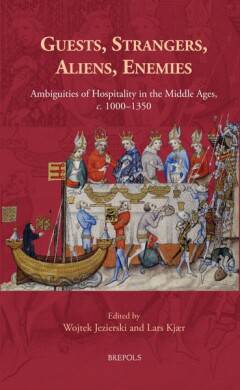
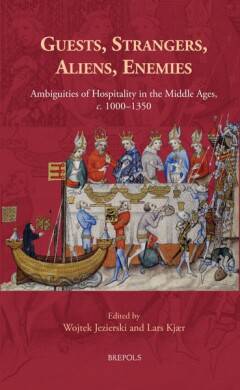
Guests, Strangers, Aliens, Enemies
Ambiguities of Hospitality in the Middle Ages, C. 1000-1350
Wojtek Jezierski
€ 84,80
+ 169 punten
Omschrijving
Many of our oldest and best-loved stories are about killing guests and betraying hosts. Hospitality is celebrated, in medieval texts and in medieval studies, as a way of binding individuals together and strengthening social cohesion, but both the practice and narration of hospitality was shot through with ambiguity and ambivalence. This volume shifts the scholarly gaze from the high table - where kings, queens, and honoured guests are graciously served by skilled servants - to the shadowy corners of the hall, the places where gossip and complaint are exchanged, where outlaws hide under the guise of hospitality, where hostages and troublesome strangers are benched, where the light from the hall-fire reflects on drawn blades: prompting difficult reflections on the processes of extraction and predation that provided the material foundations for the feast. The chapters in Guests, Strangers, Aliens, Enemies range from Silk Road caravanserais in Armenia and crusader relations in the Latin East, through ambassadorial and papal receptions in the Mediterranean, treatment of merchants and the poor in Scandinavia, elite feasts in Latin Europe, to hosting of outlaws and hostages in Eurasia. The authors explore ambiguities of hospitality in the Middle Ages through a wide range of sources and methodological approaches.
Specificaties
Betrokkenen
- Auteur(s):
- Uitgeverij:
Inhoud
- Aantal bladzijden:
- 312
- Taal:
- Engels
- Reeks:
- Reeksnummer:
- nr. 45
Eigenschappen
- Productcode (EAN):
- 9782503610924
- Verschijningsdatum:
- 15/05/2025
- Uitvoering:
- Hardcover
- Formaat:
- Genaaid
- Gewicht:
- 272 g


Alleen bij Standaard Boekhandel
+ 169 punten op je klantenkaart van Standaard Boekhandel
Cadeau

AANGERADEN


Beoordelingen
We publiceren alleen reviews die voldoen aan de voorwaarden voor reviews. Bekijk onze voorwaarden voor reviews.