


- Afhalen na 1 uur in een winkel met voorraad
- Gratis thuislevering in België vanaf € 30
- Ruim aanbod met 7 miljoen producten
- Afhalen na 1 uur in een winkel met voorraad
- Gratis thuislevering in België vanaf € 30
- Ruim aanbod met 7 miljoen producten





€ 12,95
+ 25 punten
Uitvoering
Eenvoudig bestellen
Veilig betalen


Gratis thuislevering vanaf € 30 (via bpost)
Gratis levering in je Standaard Boekhandel
Omschrijving
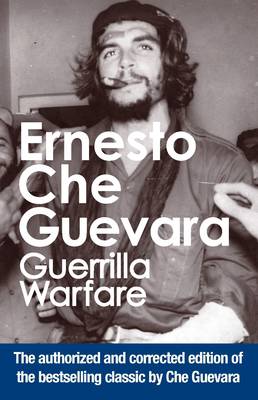
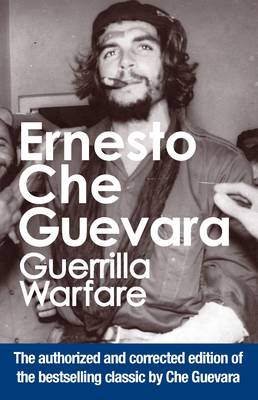
"Che's insights are just as alive today as they were when he first wrote them down in 1960, and his work has been placed alongside that of Mao Tse-Tung and Vo Nguyen Giap. Armed struggle, based on the Cuban example of hit-and-run tactics by small and mobile rural partisan bands is, he argues, the proper path to revolution in Latin America."-Latin America in Books. "Among Cuban revolutionary leaders, Ernesto 'Che' Guevara was unique in discerning that the Cuban Revolution could be a powerful influence in promoting insurgency elsewhere in Latin American."-American Historical Review. This indispensable book includes three of Che Guevara's most influential essays describing his tactical philosophy of fighting a guerrilla war in Latin America. "Guerrilla Warfare, " written in 1960, outlines Guevara's doctrine for guerrilla fighters, especially against Caribbean-style dictatorships. In "Guerrilla Warfare: A Method" (1963) and "Message to the Tricontinental" (1967), Guevara modified some of his earlier tenets. These latter two works move away from his earlier dogmatism, suggesting that Marxist revolution was possible even in purportedly democratic regimes. All three essays reflect his deeply held belief that a small, rural-based guerrilla army could trigger a revolution. Introducer Marc Becker is a visiting scholar at Gettysburg College in Pennsylvania and the author of Mariategui and Latin American Marxist Theory.
Specificaties
Betrokkenen
- Auteur(s):
- Uitgeverij:
Inhoud
- Aantal bladzijden:
- 157
- Taal:
- Engels
Eigenschappen
- Productcode (EAN):
- 9781920888282
- Verschijningsdatum:
- 1/11/2006
- Uitvoering:
- Paperback
- Formaat:
- Trade paperback (VS)
- Afmetingen:
- 134 mm x 215 mm
- Gewicht:
- 190 g


Alleen bij Standaard Boekhandel
+ 25 punten op je klantenkaart van Standaard Boekhandel
CADEAU

AANGERADEN


Beoordelingen
We publiceren alleen reviews die voldoen aan de voorwaarden voor reviews. Bekijk onze voorwaarden voor reviews.