


- Afhalen na 1 uur in een winkel met voorraad
- Gratis thuislevering in België vanaf € 30
- Ruim aanbod met 7 miljoen producten
- Afhalen na 1 uur in een winkel met voorraad
- Gratis thuislevering in België vanaf € 30
- Ruim aanbod met 7 miljoen producten





€ 15,02
+ 15 punten
Eenvoudig bestellen
Veilig betalen


Onmiddellijk geleverd via e-mail
Omschrijving
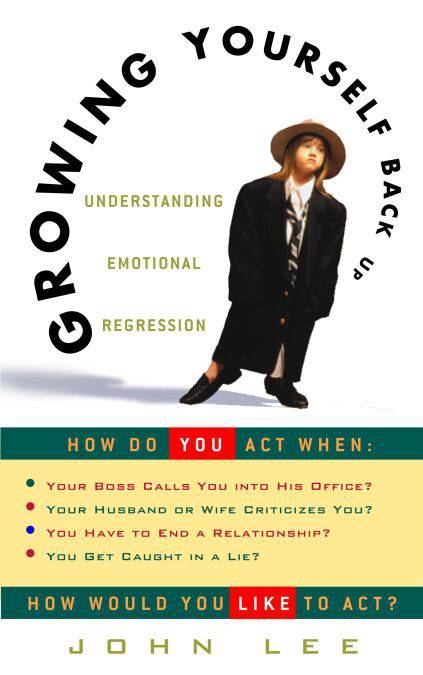
Someone pushes your buttons. You feel rage, fear, sweaty palms, unbidden tears—you feel like a kid.
We've all experienced moments when we lose control of a situation and ourselves. Now, in Growing Yourself Back Up, the first book to explain the idea of emotional regression to the general reader, bestselling author John Lee identifies the circumstances that cause these seemingly uncontrollable feelings and shows how they are directly tied to our experience as children.
No adult, explains Lee, need ever experience the helpless feelings of childhood again. Here are his proven methods and visualization exercises, developed in his popular workshops, for recognizing, preventing, and diffusing regression in ourselves and others. He teaches, for example, that adults cannot be abandoned, they can only be left; if we're feeling abandoned we're regressing. He also reminds us that no matter how overwhelmed we are, adults always have options; if we believe we don't, we're in a regression.
Growing Yourself Back Up will show you how to:
* develop strong emotional boundaries and convey them to others
* learn the Detour Method that reverses regression
* confront without regressing
* communicate with the authority figures who push your buttons
* minimize regression at family functions
Lee offers hope—as well as practical strategies that work—for conquering those childlike feelings of powerlessness that are almost always rooted in regression.
We've all experienced moments when we lose control of a situation and ourselves. Now, in Growing Yourself Back Up, the first book to explain the idea of emotional regression to the general reader, bestselling author John Lee identifies the circumstances that cause these seemingly uncontrollable feelings and shows how they are directly tied to our experience as children.
No adult, explains Lee, need ever experience the helpless feelings of childhood again. Here are his proven methods and visualization exercises, developed in his popular workshops, for recognizing, preventing, and diffusing regression in ourselves and others. He teaches, for example, that adults cannot be abandoned, they can only be left; if we're feeling abandoned we're regressing. He also reminds us that no matter how overwhelmed we are, adults always have options; if we believe we don't, we're in a regression.
Growing Yourself Back Up will show you how to:
* develop strong emotional boundaries and convey them to others
* learn the Detour Method that reverses regression
* confront without regressing
* communicate with the authority figures who push your buttons
* minimize regression at family functions
Lee offers hope—as well as practical strategies that work—for conquering those childlike feelings of powerlessness that are almost always rooted in regression.


Alleen bij Standaard Boekhandel
+ 15 punten op je klantenkaart van Standaard Boekhandel
CADEAU

AANGERADEN


Beoordelingen
We publiceren alleen reviews die voldoen aan de voorwaarden voor reviews. Bekijk onze voorwaarden voor reviews.