


- Afhalen na 1 uur in een winkel met voorraad
- Gratis thuislevering in België vanaf € 30
- Ruim aanbod met 7 miljoen producten
- Afhalen na 1 uur in een winkel met voorraad
- Gratis thuislevering in België vanaf € 30
- Ruim aanbod met 7 miljoen producten





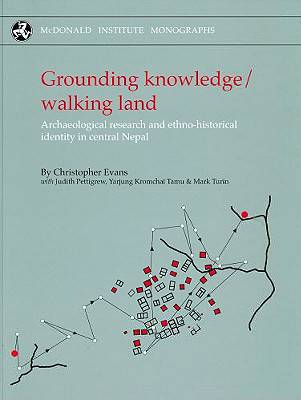
Grounding Knowledge/Walking Land
Archaeological Research and Ethno-Historical Identity in Central Nepal
Judith Pettigrew, Christopher Evans, J Pettigrew, Yarjung Kromchain Tamu, Mark Turin
€ 138,95
+ 277 punten
Omschrijving
Tracking knowledge down to ground concerned with trail-based archaeology, journeys and histories, this is a volume of both firsts and thick context. At face-value it documents almost a decade of groundbreaking investigations within the Annapurna highlands of Nepal. Including survey recording of fort and settlement sites, from the outset the projects focus was the extraordinary ruins of Kohla Sombre Kohla, The Three Villages the ancestral settlement of the Tami-mai (Gurung) community, who hosted and instigated the fieldwork programme. Ultimately, only a single seasons excavation was conducted, before the project was cut short by the political insurgency within the country. It concluded with holding a great shamans meeting in Pokhara in 2002, at which their historical oral texts were presented. Narrating the long migration of the Tamu-mai into the region and down from a distant north, the present volume includes the full translation of one of these oral epics, the Lemako Roh Pye. The project represents a unique collaboration between archaeologists, anthropologists and a shaman. Including interviews with upland inhabitants, the volume encompasses the diverse voices of both its immediate participants and the local community. Fulsome in its presentation of the archaeological data and rich in ethnographic source-material, not only is this book crucial for Himalayan culture studies generally, but also relevant for any concerned with the construction and context of the past in the present, and the active forging of ethno-historical identities.
Specificaties
Betrokkenen
- Auteur(s):
- Uitgeverij:
Inhoud
- Aantal bladzijden:
- 223
- Taal:
- Engels
- Reeks:
Eigenschappen
- Productcode (EAN):
- 9781902937502
- Verschijningsdatum:
- 10/05/2009
- Uitvoering:
- Hardcover
- Formaat:
- Genaaid
- Afmetingen:
- 213 mm x 279 mm
- Gewicht:
- 1088 g


Alleen bij Standaard Boekhandel
+ 277 punten op je klantenkaart van Standaard Boekhandel
AANGERADEN


Beoordelingen
We publiceren alleen reviews die voldoen aan de voorwaarden voor reviews. Bekijk onze voorwaarden voor reviews.