


- Afhalen na 1 uur in een winkel met voorraad
- Gratis thuislevering in België vanaf € 30
- Ruim aanbod met 7 miljoen producten
- Afhalen na 1 uur in een winkel met voorraad
- Gratis thuislevering in België vanaf € 30
- Ruim aanbod met 7 miljoen producten





€ 34,95
+ 69 punten
Omschrijving
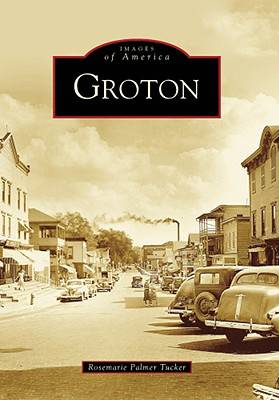
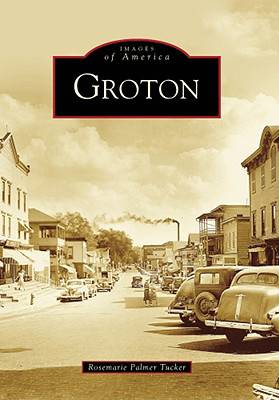
The town of Groton officially came into being in 1818, after citizens successfully petitioned to change their town's name. Later during the 19th century, this industrial community was famous for the manufacturing of road rollers, iron bridges, and carriages. The early 1900s brought typewriter manufacturing to Groton. Included in the town of Groton are the hamlets of Groton City, McLean, Peruville, and West Groton. Throughout the early years, these hamlets were booming with businesses and industry, and both town and village display a rich architectural legacy. Groton had many well-known residents, such as the Conger family, including Benn Conger, a member of the New York State Assembly and the New York State Senate; Dexter Marsh, cofounder of the First National Bank of Groton; Welthea Marsh, the first and only woman president of the bank; and inventor Nelson Streeter.
Specificaties
Betrokkenen
- Auteur(s):
- Uitgeverij:
Inhoud
- Aantal bladzijden:
- 128
- Taal:
- Engels
- Reeks:
Eigenschappen
- Productcode (EAN):
- 9780738565064
- Verschijningsdatum:
- 1/11/2009
- Uitvoering:
- Paperback
- Formaat:
- Trade paperback (VS)
- Afmetingen:
- 167 mm x 234 mm
- Gewicht:
- 322 g


Alleen bij Standaard Boekhandel
+ 69 punten op je klantenkaart van Standaard Boekhandel
Cadeau

AANGERADEN


Beoordelingen
We publiceren alleen reviews die voldoen aan de voorwaarden voor reviews. Bekijk onze voorwaarden voor reviews.