


- Afhalen na 1 uur in een winkel met voorraad
- Gratis thuislevering in België vanaf € 30
- Ruim aanbod met 7 miljoen producten
- Afhalen na 1 uur in een winkel met voorraad
- Gratis thuislevering in België vanaf € 30
- Ruim aanbod met 7 miljoen producten





€ 35,45
+ 70 punten
Eenvoudig bestellen
Veilig betalen


Gratis thuislevering vanaf € 30 (via bpost)
Gratis levering in je Standaard Boekhandel
Omschrijving
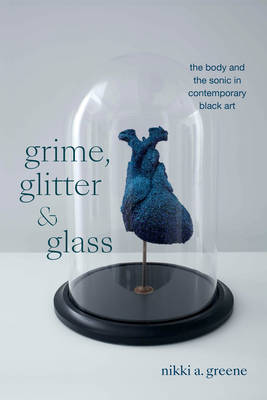
In Grime, Glitter, and Glass, Nikki A. Greene examines how contemporary Black visual artists use sonic elements to refigure the formal and philosophical developments of Black art and culture. Focusing on the multimedia art of Renée Stout, Radcliffe Bailey, and María Magdalena Campos-Pons, Greene traces the intersection of the visual's sonic possibilities with the Black body's physical, representational, and metaphorical use in art. She employs her concept of "visual aesthetic musicality" to interpret Black visual art by examining the musical genres of jazz and rap, along with the often-overlooked innovations of funk and rumba, within art historiography. From Bailey's use of multilayered surfaces of glitter, mud, and recycled materials to meditate on Sun Ra's Afrofuturism to Stout's life-size cast of her own body that recalls funk musician Betty Davis to Campos-Pons's performative and sculptural references to sugar that resonate with the legacy of Celia Cruz, Greene outlines how these artists use mediums such as molded glass sculptures, viscous wet plaster, and dazzling mannequin heads to enhance the manifestations of Black identity. By foregrounding the sonic elements of their work, Greene demonstrates that these artists use sound to make themselves legible, recognizable, and audible.
Specificaties
Betrokkenen
- Auteur(s):
- Uitgeverij:
Inhoud
- Aantal bladzijden:
- 288
- Taal:
- Engels
- Reeks:
Eigenschappen
- Productcode (EAN):
- 9781478030577
- Verschijningsdatum:
- 1/10/2024
- Uitvoering:
- Paperback
- Formaat:
- Trade paperback (VS)
- Afmetingen:
- 152 mm x 229 mm
- Gewicht:
- 566 g


Alleen bij Standaard Boekhandel
+ 70 punten op je klantenkaart van Standaard Boekhandel
CADEAU

AANGERADEN


Beoordelingen
We publiceren alleen reviews die voldoen aan de voorwaarden voor reviews. Bekijk onze voorwaarden voor reviews.