


- Afhalen na 1 uur in een winkel met voorraad
- Gratis thuislevering in België vanaf € 30
- Ruim aanbod met 7 miljoen producten
- Afhalen na 1 uur in een winkel met voorraad
- Gratis thuislevering in België vanaf € 30
- Ruim aanbod met 7 miljoen producten





€ 193,45
+ 386 punten
Uitvoering
Omschrijving
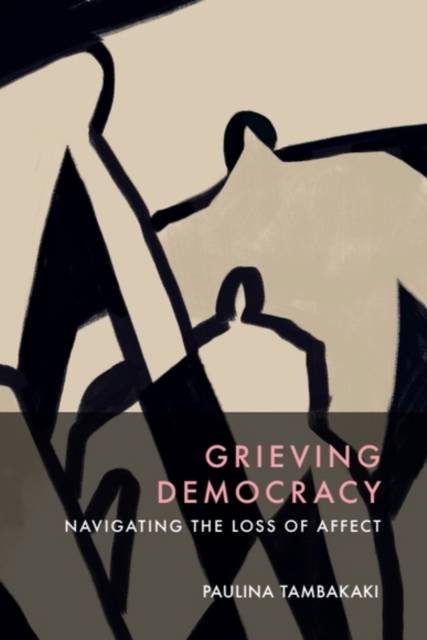
The book proposes that loss of affect for liberal democracy is a key problem today, in need of closer analysis. Manifested in an unprecedent suspicion of democratic governments, a readiness to elect authoritarian rulers, and a rise in reactionary politics, loss of affect pertains to the way that citizens experience democracy - their growing disinvestment from the democratic form of rule. It raises worrying questions, about the survival of democratic values into the twenty-first century, that democratic theorists often tend to either ignore or exaggerate. To navigate these questions, the book argues that grief can be a useful political resource. Understood as a response to loss, grief engages the imagination, opening the way to another, perhaps more caring, experience of democracy. To illuminate the nature of this experience, the book draws on feminist scholarship and work on contemporary culture, where grief and affect intersect.
Specificaties
Betrokkenen
- Auteur(s):
- Uitgeverij:
Inhoud
- Aantal bladzijden:
- 200
- Taal:
- Engels
Eigenschappen
- Productcode (EAN):
- 9781399538657
- Verschijningsdatum:
- 31/05/2025
- Uitvoering:
- Hardcover
- Formaat:
- Genaaid
- Afmetingen:
- 156 mm x 234 mm
- Gewicht:
- 458 g


Alleen bij Standaard Boekhandel
+ 386 punten op je klantenkaart van Standaard Boekhandel
Cadeau

AANGERADEN


Beoordelingen
We publiceren alleen reviews die voldoen aan de voorwaarden voor reviews. Bekijk onze voorwaarden voor reviews.