


- Afhalen na 1 uur in een winkel met voorraad
- Gratis thuislevering in België vanaf € 30
- Ruim aanbod met 7 miljoen producten
- Afhalen na 1 uur in een winkel met voorraad
- Gratis thuislevering in België vanaf € 30
- Ruim aanbod met 7 miljoen producten




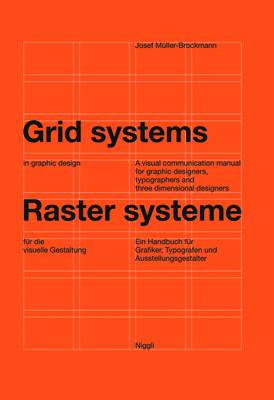
Grid Systems in Graphic Design
A Visual Communication Manual for Graphic Designers, Typographers and Three Dimensional Designers
Josef Müller-Brockmann
Hardcover | Engels
€ 53,45
+ 106 punten
Omschrijving
A grid system is a rigid framework that is supposed to help graphic designers in the meaningful, logical and consistent organization of information on a page. It is an established tool that is used by print and web designers to create well-structured, balanced designs. Rudimentary versions of grid systems existed since the medieval times, but a group of Swiss graphic designers, mostly inspired in ideas from typographical literature started building a more rigid and coherent system for page layout. The core of these ideas were first presented by Müller-Brockmann who helped to spread the knowledge about the grids thorough the world. This volume provides guidelines and rules for the function and use for grid systems from 8 to 32 grid fields which can be used for the most varied of projects, the three-dimensional grid being treated as well. Exact directions for using all of the grid systems possibe presented are given to the user, showing examples of working correctly on a conceptual level.
Specificaties
Betrokkenen
- Auteur(s):
- Uitgeverij:
Inhoud
- Aantal bladzijden:
- 176
- Taal:
- Engels
Eigenschappen
- Productcode (EAN):
- 9783721201451
- Verschijningsdatum:
- 1/10/1996
- Uitvoering:
- Hardcover
- Formaat:
- Genaaid
- Afmetingen:
- 213 mm x 302 mm
- Gewicht:
- 1133 g


Alleen bij Standaard Boekhandel
+ 106 punten op je klantenkaart van Standaard Boekhandel
AANGERADEN


Beoordelingen
We publiceren alleen reviews die voldoen aan de voorwaarden voor reviews. Bekijk onze voorwaarden voor reviews.